
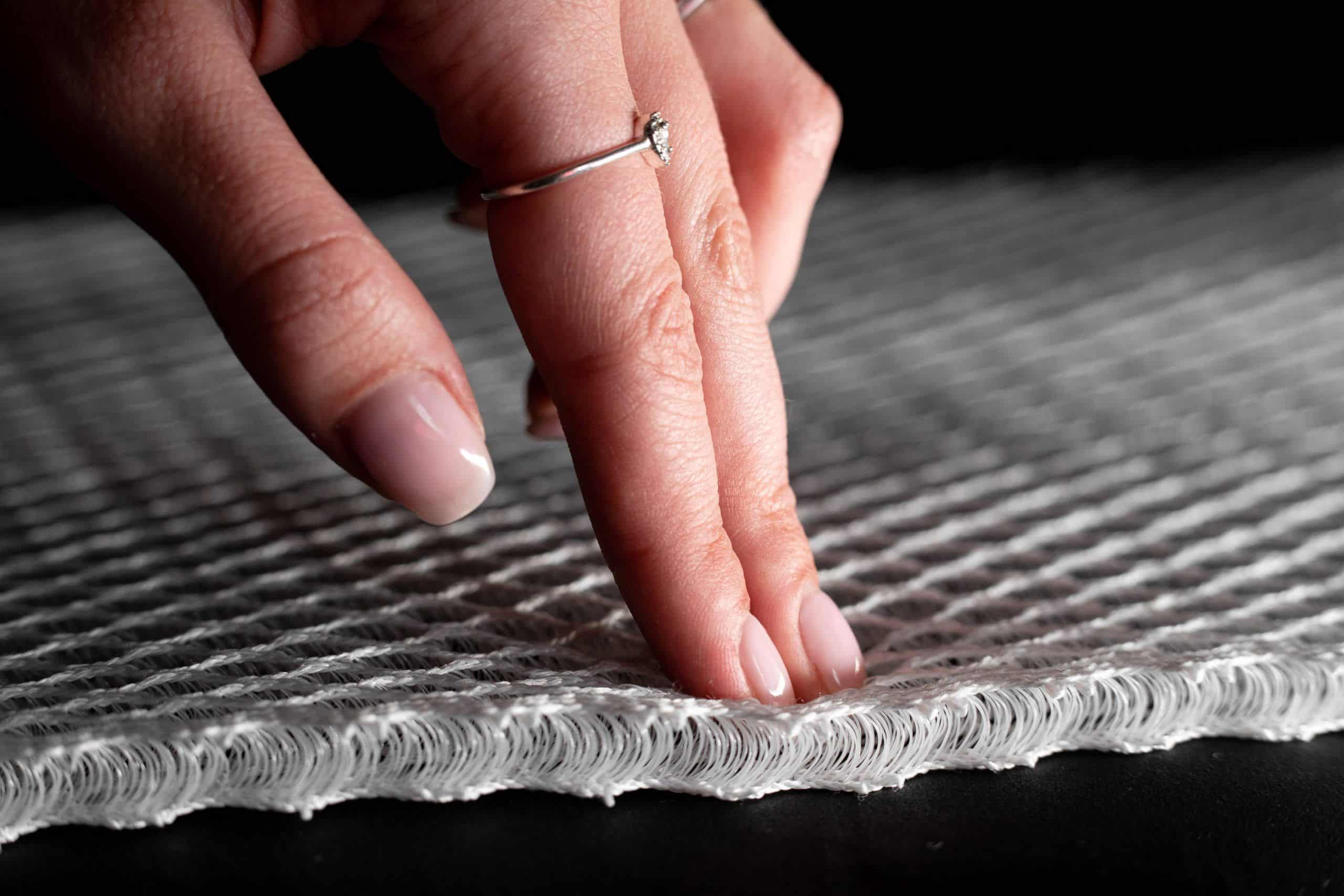
Matnext Airflow 3D Mesh 10mm
4.9 (16)
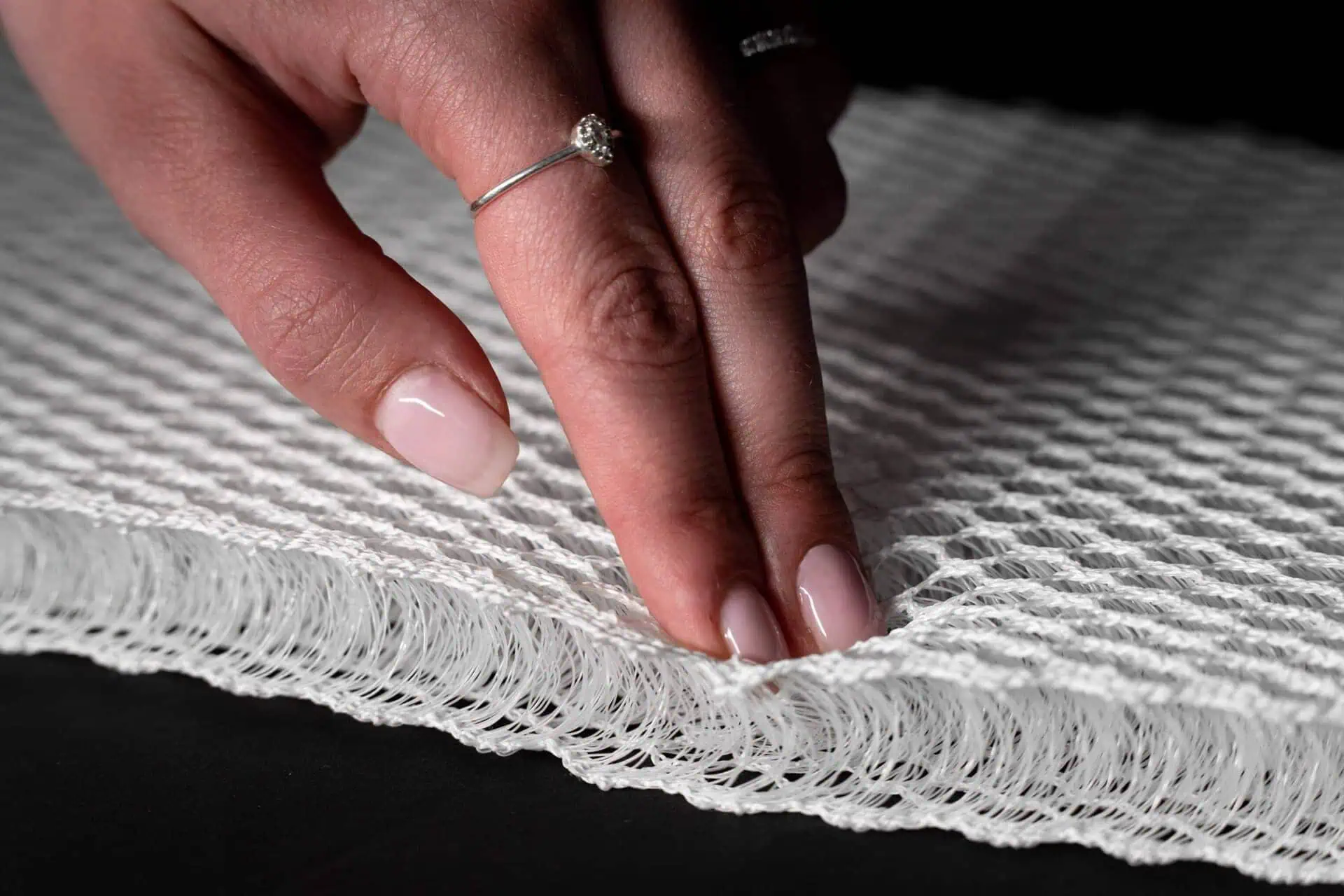
For quarter berths, saloon settees and flat berth bases. 10 mm, white.
from€43.90
incl. VAT, free shipping
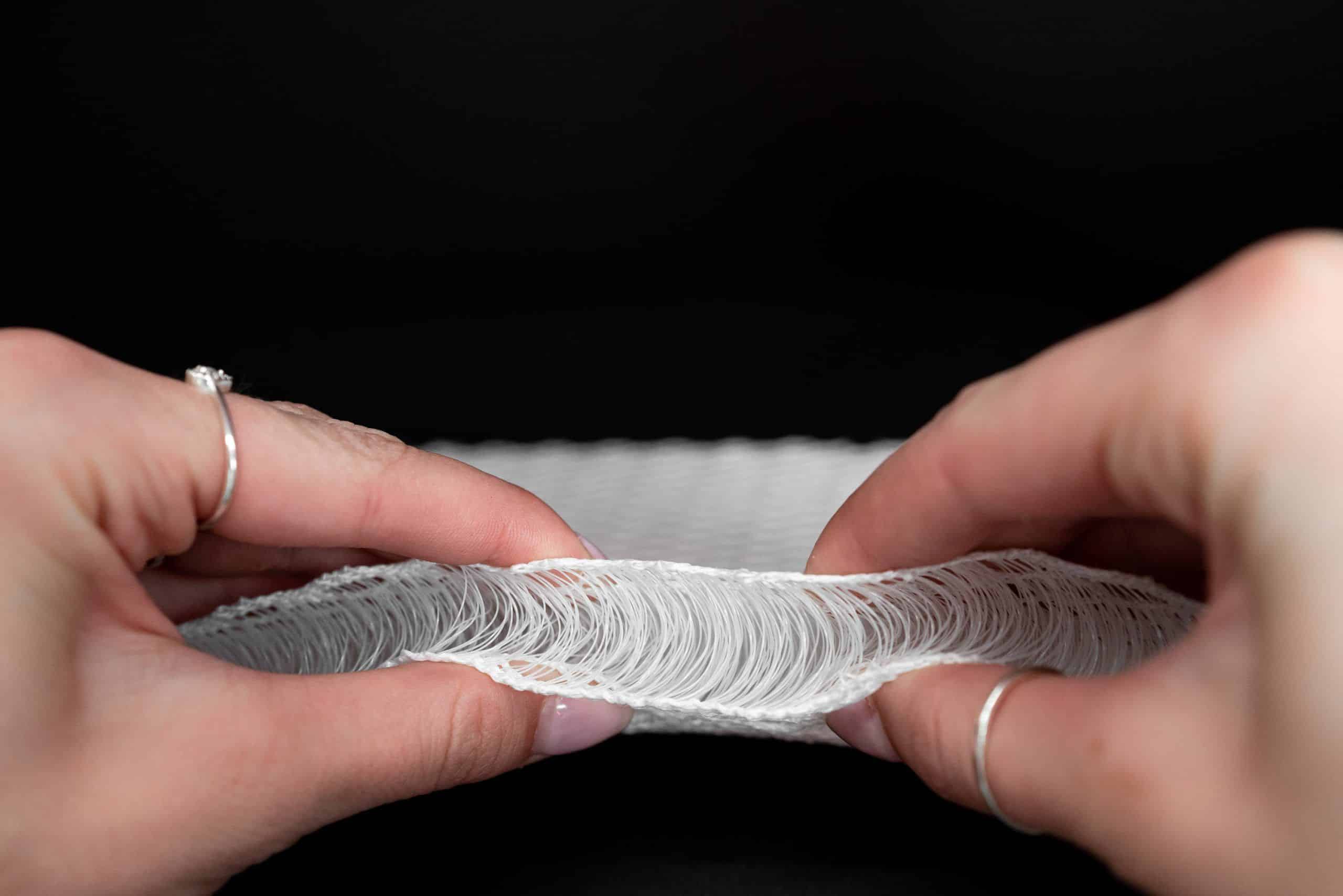
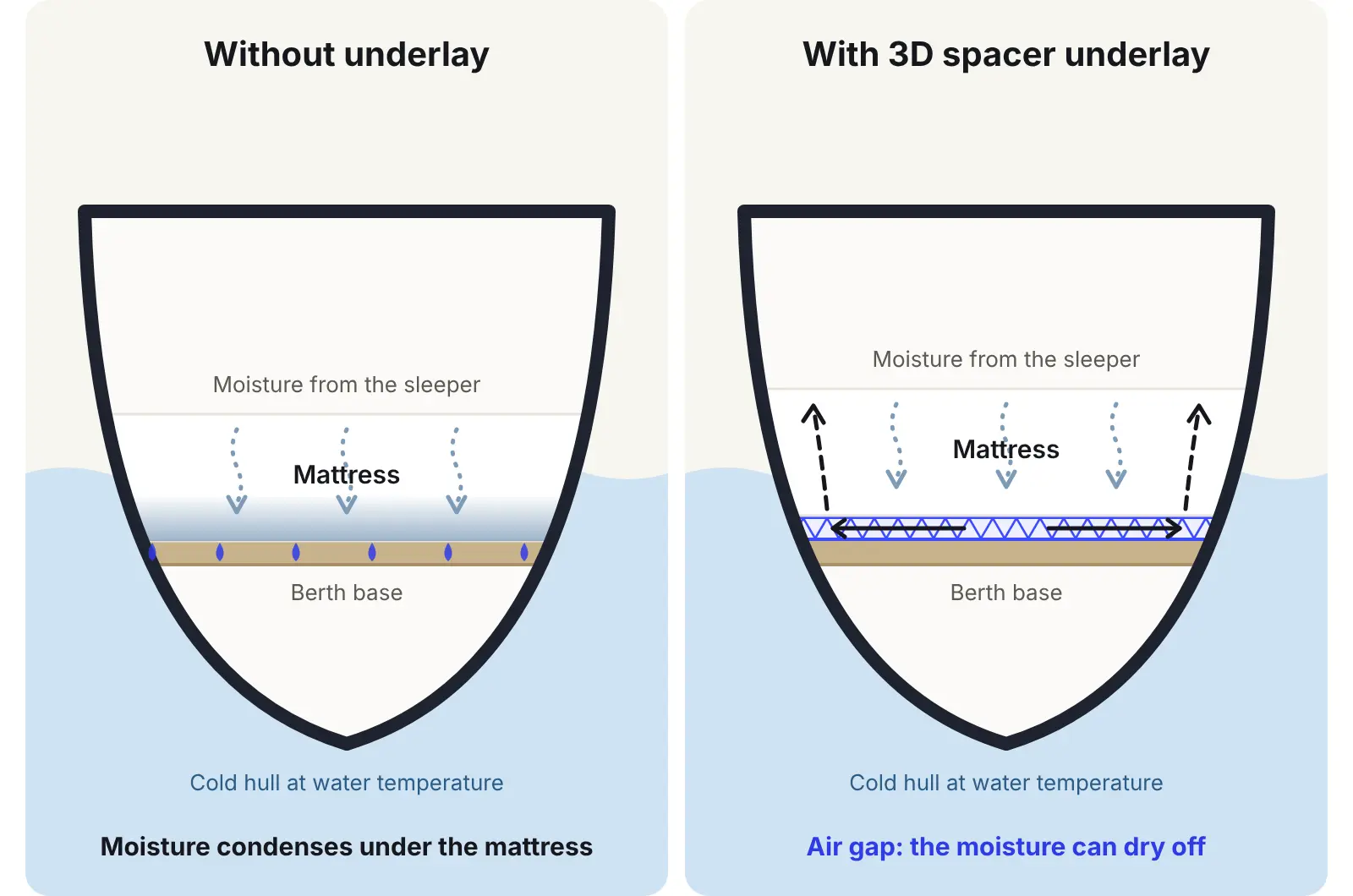
Boat mattresses get wet underneath because the hull is as cold as the water and moisture from the sleeper condenses on the closed berth base. An anti-condensation mat of 3D spacer fabric keeps an open air gap under the mattress, so this moisture can dry off instead of soaking in.
Many owners only notice it when they lift the mattress after a few nights on board: the top feels dry, but the underside is damp, sometimes with dark stains and a musty smell. The reason lies in the way a berth is built.
That is why the moisture collects at the bottom of the mattress and not on top. Ventilating the cabin in the morning hardly changes this, because the air under the mattress does not move. If mould has already appeared, our guide to removing and preventing mould in the boat explains how to clean the affected areas first.
A 3D spacer fabric consists of two knitted outer layers that are held apart by many upright pile threads. The mattress rests on these threads instead of lying directly on the berth base. Between the two layers an open air space remains, through which moist air can spread and escape at the edges. The mattress underside can dry off instead of staying in contact with a cold, wet surface. You can find out more about how spacer fabrics are made and where else they are used in our separate guide.
A ventilation mat in a boat has to do more than at home. You kneel on the berth to make the bed, the crew sits on it, and in winter it may stay under the mattress for months. Three properties count:
All Matnext Airflow underlays are made of 100 % polyester and certified to OEKO-TEX Standard 100. The technical data of the same spacer fabric for marine use is documented in detail by yachtfabrics.com.
The right thickness depends on how much the berth is exposed to the cold hull and how heavy the mattress is.
| Berth | Thickness | Underlay |
|---|---|---|
| V-berth and berths with hull contact | 15 mm | Matnext Airflow BALANCE 15mm |
| Quarter berth, saloon settee, flat berth bases | 10 mm | Matnext Airflow 3D Mesh 10mm |
| Heavy mattresses, uninsulated hull, boats lived on all year | 20 mm | Matnext Airflow 3D Mesh PLUS 20mm |
The mat itself needs no special care. Loose threads from cutting can simply be shaken out or vacuumed.
Open hatches, mushroom vents, a heater or a dehumidifier are worthwhile on any boat. They lower the humidity of the cabin air and reduce condensation on windows and surfaces. What they do not reach is the thin layer between mattress and berth base. There, no air moves, and the cold base stays cold. As long as the mattress lies directly on it, moisture keeps condensing exactly where nobody looks.
A spacer fabric solves this specific spot by keeping an air gap open under the whole mattress. For a V-berth or any berth with hull contact, the Matnext Airflow BALANCE 15mm is the underlay we recommend.
Matnext supplies underlays for your own berth in standard sizes or cut to measure. Yards, upholsterers, refit companies and charter fleets need larger quantities and their own cutting patterns. For them, yachtfabrics.com offers the same spacer fabric for yards, upholsterers and fleets, cut to size and in larger quantities. How a catamaran owner uses the underlays under mattresses and cushions is shown in our case study with Yacht & Meer.
No. The pile threads bend under localised pressure and return to their original shape when the load comes off. The air gap opens up again.
Yes. Make a template of the berth base and cut the underlay with good household or tailor's scissors. Curves and corner cut-outs are possible. If you prefer, you can order a custom size cut to the centimetre.
On smooth plywood or GRP the mat can shift. The Matnext Airflow Anti-Slip Clips hold it in place. One set contains four clips that you glue or screw to the base; they fit the 10, 15 and 20 mm underlays.
Yes, from time to time. The underlay keeps the air gap open, so the mattress dries much more easily. When the boat is laid up for longer periods, lifting the mattress and airing the cabin remain good practice.
Yes. Saloon settees and seat cushions often lie on closed bases as well. For flat bases like these, the 10 mm underlay is usually sufficient.
4.9 (16)
For quarter berths, saloon settees and flat berth bases. 10 mm, white.
incl. VAT, free shipping
4.9 (22)
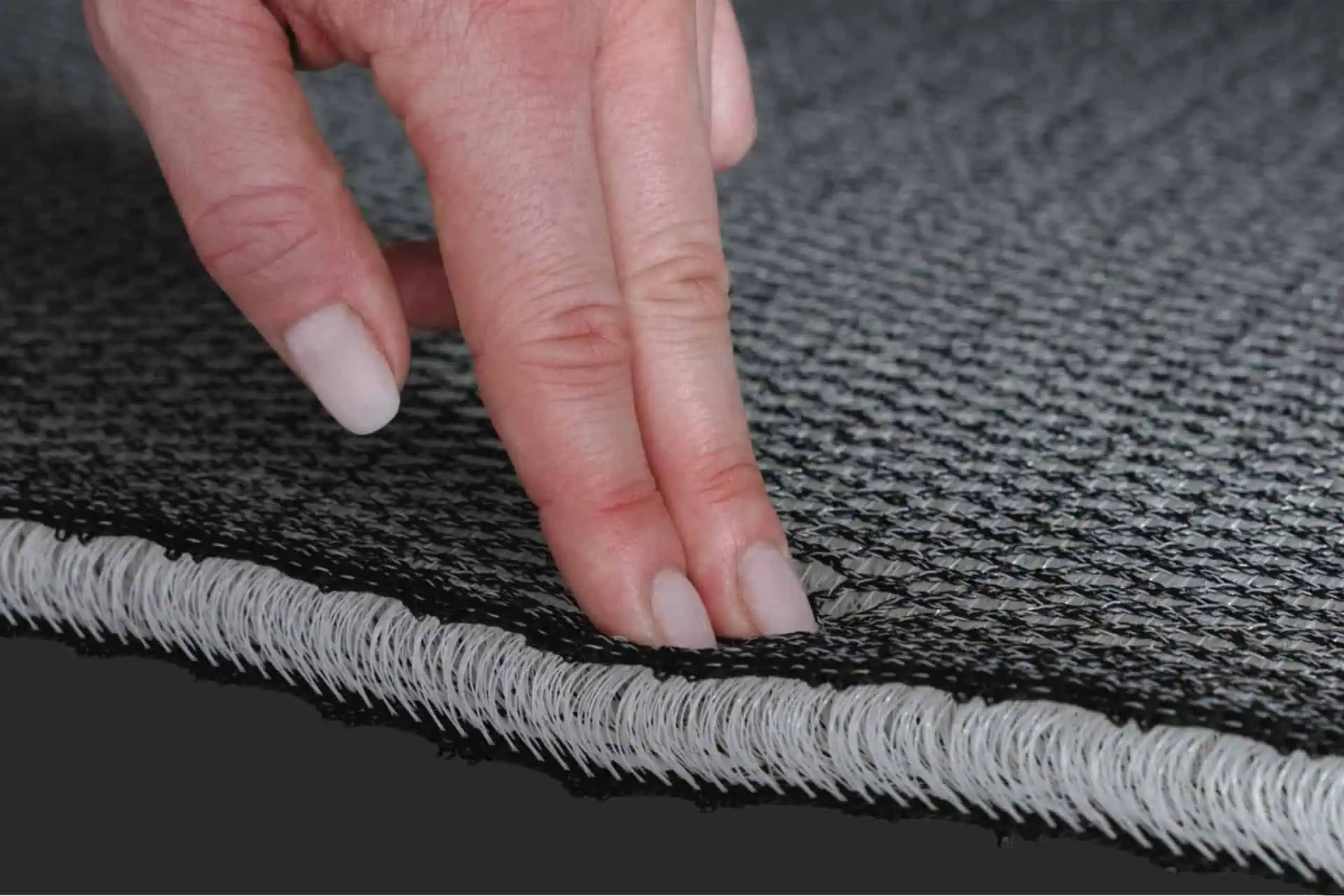
For V-berths and berths with hull contact. 15 mm, anthracite look.
incl. VAT, free shipping
4.8 (13)
For heavy mattresses, uninsulated hulls and boats lived on all year. 20 mm, white.
incl. VAT, free shipping