Mould in the boat
Mould in the boat: tips for a good indoor climate at sea
Soon, the boats will be taken out of winter storage and brought back into shape for the first trips. A boat is a valuable asset and therefore requires extensive, regular care. Cleaning inside and out, checking the tarpaulin and, if necessary, refitting the cabin, to name just a few of the measures. However, it is all the more annoying when unwanted surprises such as moisture or mould appear in the boat. In this guide, we will show you some tips on how to remove mould and prevent future mould growth.

What are the possible causes of mould in the boat?
The causes of mould in the boat are not always attributable to people. Some mould growth also originates from defects in the boat or is due to technical faults. Basically, however, it should first be noted that the cause of mould growth is accumulated moisture. Mould usually develops in closed and damp rooms or on thermal bridges. You can usually recognise the furry-looking mould coating by its white or black colour.
Common causes of mould inside boats are:
- Insufficient air circulation to remove moisture, especially in the bed area.
- Leaky windows or hatches that allow moisture into the boat.
- Non-absorbent materials that retain moisture in the boat.
- Leaking pipes or equipment that allow moisture into the boat.
- Water penetrating through the hull.
- Excessive moisture caused by the operation of cooling systems.
What are the dangers of mould in the boat?
As in the domestic environment, the rapid removal of mould or mildew stains in your boat is extremely important. Possible health consequences make this a matter of urgency. Mould can cause allergies, and the mycotoxins it releases can lead to further health problems. Skin irritations are also not uncommon.
However, the risk of material damage should not be neglected here either. Mould can attack the various materials in your boat. They become porous, leaky and unstable.
The solution: remove mould stains in the boat
But you can breathe a sigh of relief: there are plenty of ways and means to remove mould from your boat. In general, it can be said that similar tips are effective and useful when removing mould from a boat as when removing it from furniture. In both cases, some of the materials (wood or fabric) are sensitive, which is why agents such as hydrogen peroxide should be avoided. This bleaching agent would attack the materials and possibly lead to discolouration.
However, before you can remove the mould stains in the boat, you must first identify the mould. Is it a black, green or white type of mould? Important(!): When removing mould, you should always wear a mask for the health reasons already mentioned.
Alcohol
A common household remedy for removing mould is commercially available isopropyl alcohol (isopropanol). It is not necessary to use pure alcohol, but a 70 to 80% alcohol content is sufficient. Mould only absorbs alcohol in combination with water, which is why 100% alcohol acts primarily as a cleaner and not as a killing agent. If you have methylated spirits at home, you can also use them.
Chemicals
Mould removers or mould sprays are another effective way to combat mould. These chemicals are often chlorine-based or contain acids. In contrast to alcohol, they don't just clean, they kill the mould.
It is important that you dry the affected areas after cleaning to prevent further mould from forming. You should also make sure that no children are in the vicinity during and after treatment with chemicals.
Steam cleaner
Another very effective method if you want to remove mould from your boat is to use a steam cleaner. Although the appliance does not reach a very high temperature that kills the mould, it cleans straw matting or fabrics in the boat very well. Of course, it is essential that the boat is well ventilated afterwards and the interior can dry.
Vinegar
Vinegar is also often used to remove mould. However, to kill the mould, you should use a more concentrated vinegar essence. Simply apply the vinegar essence thoroughly to the affected areas using a sponge or cloth. Then leave the vinegar to work for about an hour and remove it thoroughly with a damp cloth.
Prevent mould in the boat
A preventative approach is necessary to avoid having to remove mould from your boat in the first place. Especially in winter or between seasons when the boat is not in use, moisture can build up in the interior and penetrate the materials. To prevent this from happening, a regular exchange of air and/or heat is crucial. Heat ensures that the temperature gradient in walls, insulation etc. becomes so "steep" that the dew point in the relevant materials is shifted. The simplest solution is to find suitable winter storage or a heated indoor storage facility. This will prevent moisture from penetrating your boat in the first place. However, this is associated with comparatively higher costs.
Mattress underlays
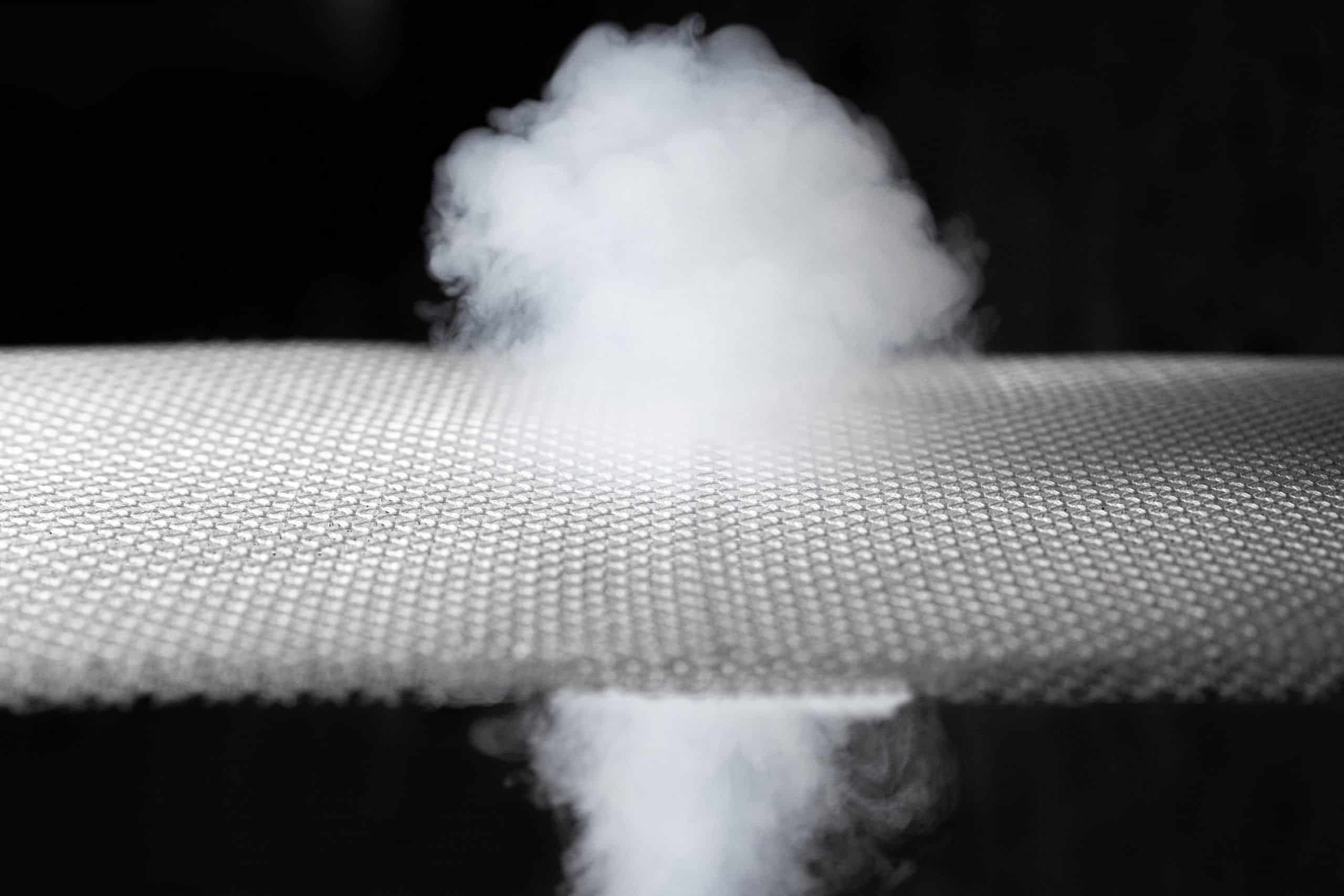
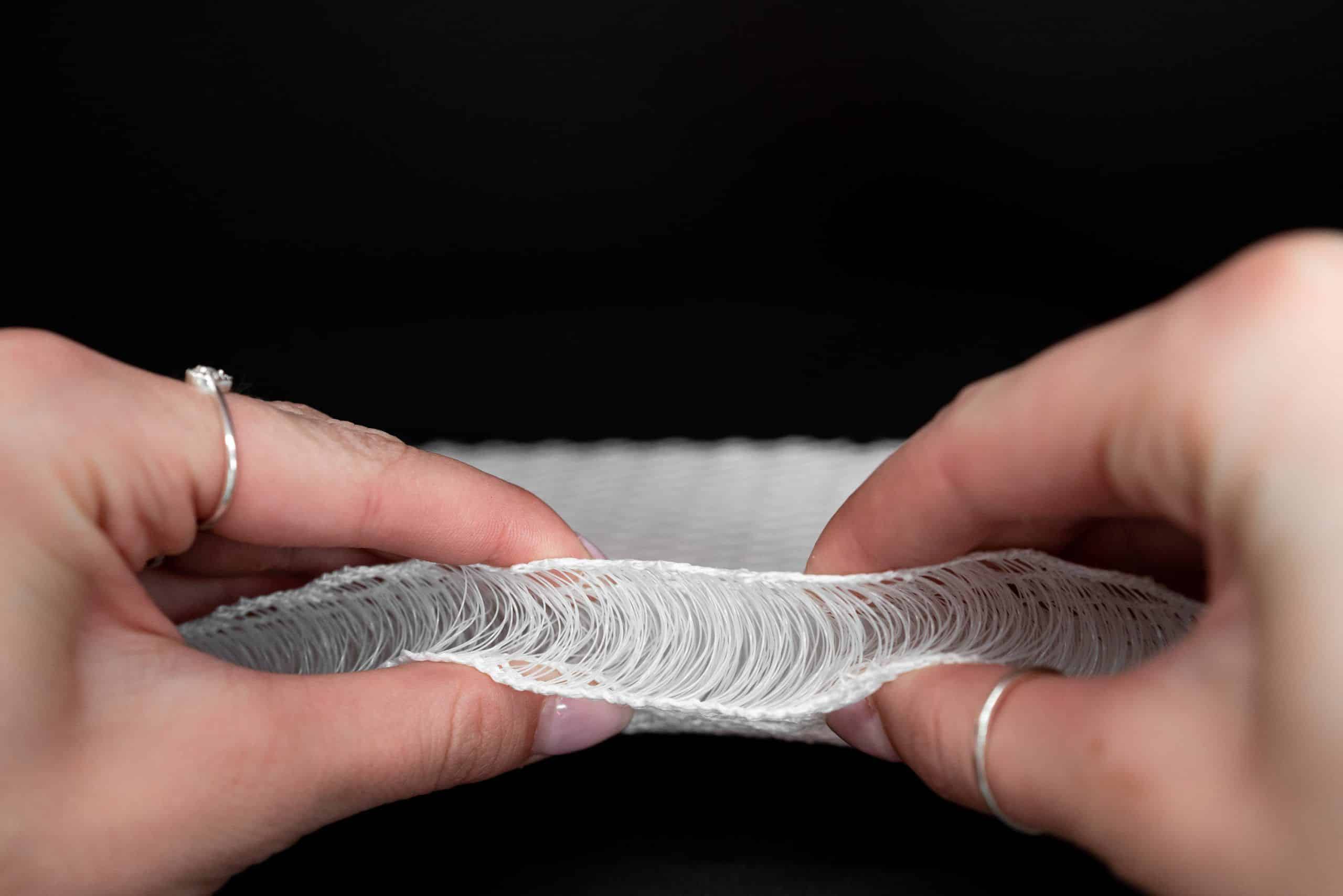
To prevent mould growth due to insufficient air circulation, especially in the bed/berth area, it is advisable to use a mattress underlay. The mattress underlay from Matnext not only ensures good ventilation under the mattress thanks to its open structure, but also provides greater sleeping comfort thanks to the 3D Air Mesh fabric. It also helps prevent mould growth and unpleasant odours. Your sleeping experience is significantly improved and you sleep just as well in the boat as in your bed at home. The mattress underlay has the advantage that, in addition to ventilation, it also ensures sufficient air circulation when the boat is in use.
Active or passive ventilation systems
Ventilation systems are a cheaper, more sustainable solution. A distinction is made between passive and active ventilation. Passive ventilation is simply an opening in the hull or superstructure through which air is exchanged independently due to temperature differences or wind. Simple ventilation grilles can also be installed here. It is also helpful to open the storage compartments in the boat when it is moored. Active ventilation is a variant that actively moves air into or out of the boat via an electric fan.
Mushroom ventilator
Another option, but one that involves more effort, is the installation of special mushroom ventilators. These are mounted on the deck or superstructure roof of your boat. This also ensures passive ventilation and odour removal. The cover cap can be opened and closed, which can prevent water ingress.
Removing mould in the boat: further tips
If you are also interested in further tips on how to actively combat mould on furniture and upholstery, take a look at our guides Removing mould from mattresses and Removing mould in campers.