Spacer Fabrics: Important Functions and Benefits
Spacer Fabrics: Functions, Benefits, and Applications
In the world of the textile industry, there are numerous materials and technologies that contribute to the creation of innovative and functional products. One such technology, which is gaining significant importance across various industries, is spacer fabric, also known as spacer textiles. But what exactly does this term mean, and why is it so important? In this guide, we will take a closer look at how spacer fabrics work, their benefits, and their diverse applications.
What are spacer fabrics?
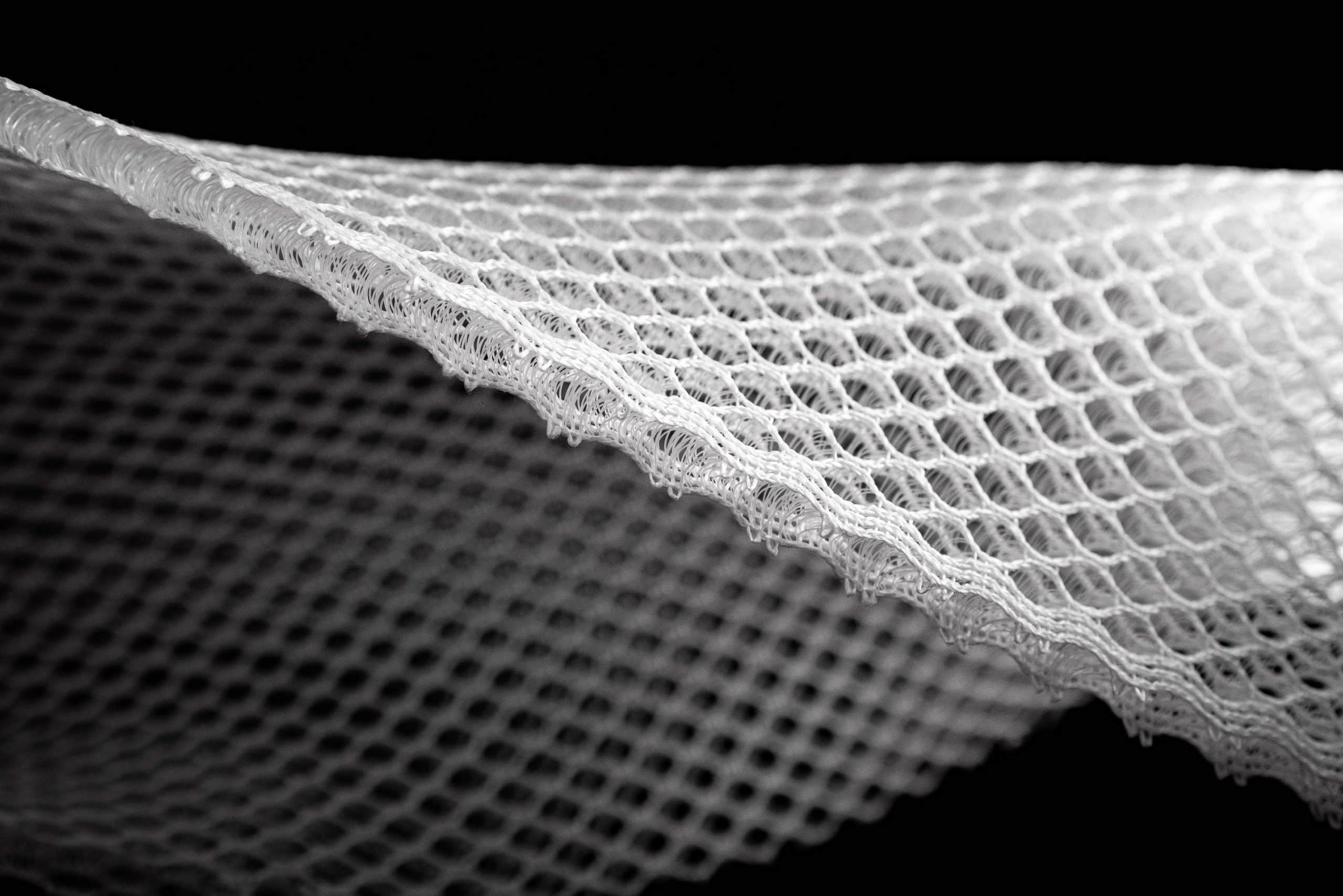
Spacer fabrics are specialized textiles with a spatial network of threads that create a specific distance between layers or materials. This network can be made from various fibers, such as nylon, polyester, or other synthetic materials, and is produced using a special weaving or knitting process.
Functions and Benefits of Spacer Fabrics
Insulation and Ventilation: One of the main advantages of spacer fabrics is their ability to provide effective insulation and ventilation. The 3D spacer fabric creates an invisible climate zone between the layers, helping to dissipate heat and moisture, thereby ensuring a comfortable environment.
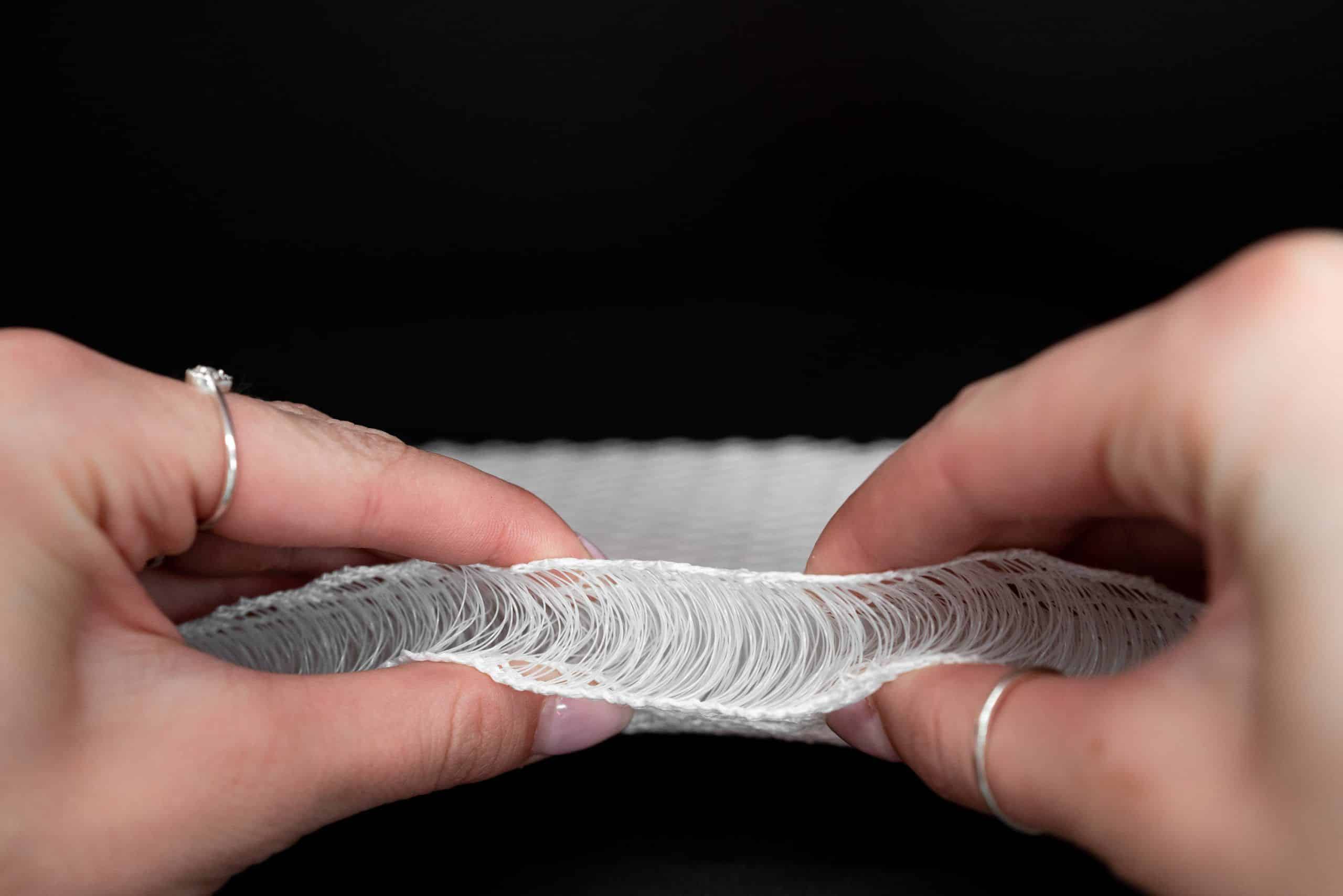
Cushioning and Shock Absorption: Spacer fabrics are also frequently used in products that require cushioning or shock absorption, such as mattresses, upholstered furniture, or sports equipment. The spatial network of threads ensures an even distribution of pressure, thereby enhancing comfort and safety.
Weight Reduction: Compared to traditional materials, spacer fabrics can help reduce the overall weight of a product without compromising stability or performance. This is particularly advantageous in applications like aerospace or automotive industries, where every gram counts.
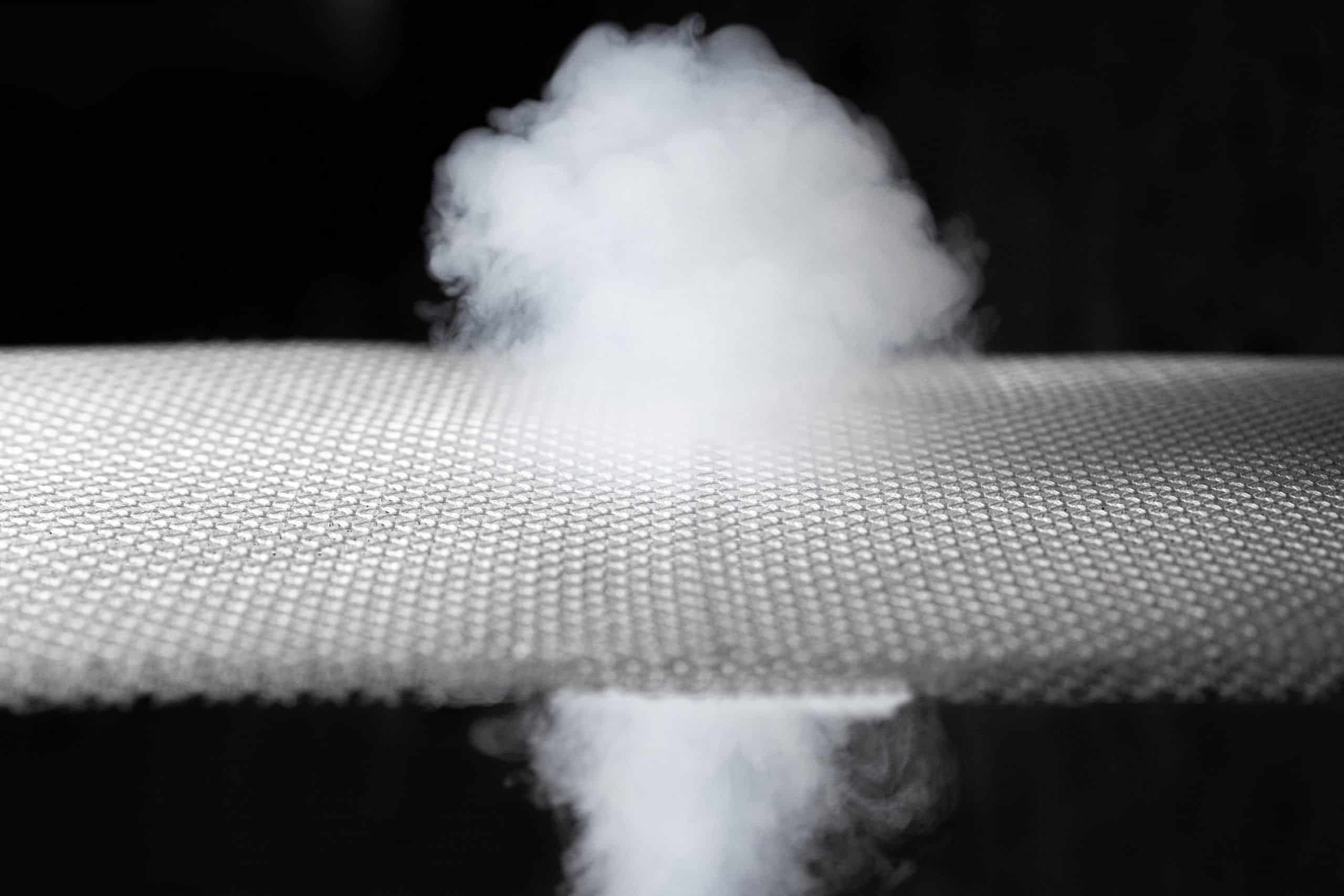
Improved Air Circulation: Thanks to their open structure, spacer fabrics allow for improved air circulation, which is especially important in breathable garments or technical textiles. This can help regulate skin temperature and enhance wearing comfort.
Manufacturing of Spacer Fabrics
The outer layers of spacer fabrics can be made from various textiles, such as jersey fabric or textiles with twill weave. These fabrics are joined together at a variable distance between 2 mm and 60 mm using pile threads. The pile threads, usually made of polyester or electrically conductive material, are arranged in a cross-shaped pattern at an angle of about 45 degrees, which gives the fabric high dimensional stability and prevents the outer layers from shifting undesirably. A final heat treatment of the pile threads makes the intermediate fabric highly elastic and permanently flexible. The resulting elasticity is comparable to that of conventional foam, contributing to the versatility of spacer fabrics in various application areas.
Applications of Spacer Fabrics
Mattress Underlays: Spacer fabrics are widely used in the production of mattress underlays. Thanks to their versatile properties, spacer fabrics provide an ideal foundation for mattresses by ensuring even ventilation and moisture regulation. The cross-shaped arrangement of the pile threads offers even body support and contributes to restful sleep. Additionally, the elasticity of spacer fabrics provides a comfortable sleeping surface that adapts to individual body contours, enhancing sleep comfort. For maximum comfort, the Matnext mattress underlay with a thickness of 20 mm is recommended.
Sportswear: Breathable sportswear benefits from the ventilation properties of spacer fabrics, which help to wick away moisture and keep the skin dry.
Medical Textiles: In medicine, spacer fabrics are often used in compression stockings, bandages, or wound dressings to provide effective cushioning and ventilation.
Automotive Industry: In the automotive industry, spacer fabrics are used in seats, padding, and linings to improve comfort and safety.
Aerospace: Lightweight structures and insulation materials in aircraft and spacecraft benefit from the weight-saving and insulating properties of spacer fabrics.
Construction Industry: Insulation materials and construction products, such as insulation panels or acoustic panels, can benefit from the insulating properties of spacer fabrics.
Overall, spacer fabrics offer a range of functional and innovative solutions for various industries and applications. Their ability to provide insulation, ventilation, cushioning, and weight reduction makes them an indispensable component of modern textile technologies. Discover helpful tips and benefits of spacer fabrics for your camper or van in our guide "Motorhome Tips for Beginners".