Prevent mould on the mattress
Preventing mould on the mattress: causes & tips
Mould on the mattress can lead to considerable health risks. Especially for children, the permanent inhalation of mould spores is harmful to health. But even for adults, sleeping on a mouldy mattress can trigger allergies, respiratory problems and skin diseases. To avoid exposure to these risks in the first place, there are some practical tips on how you can prevent the spread of mould spores.
Causes of mould on the mattress
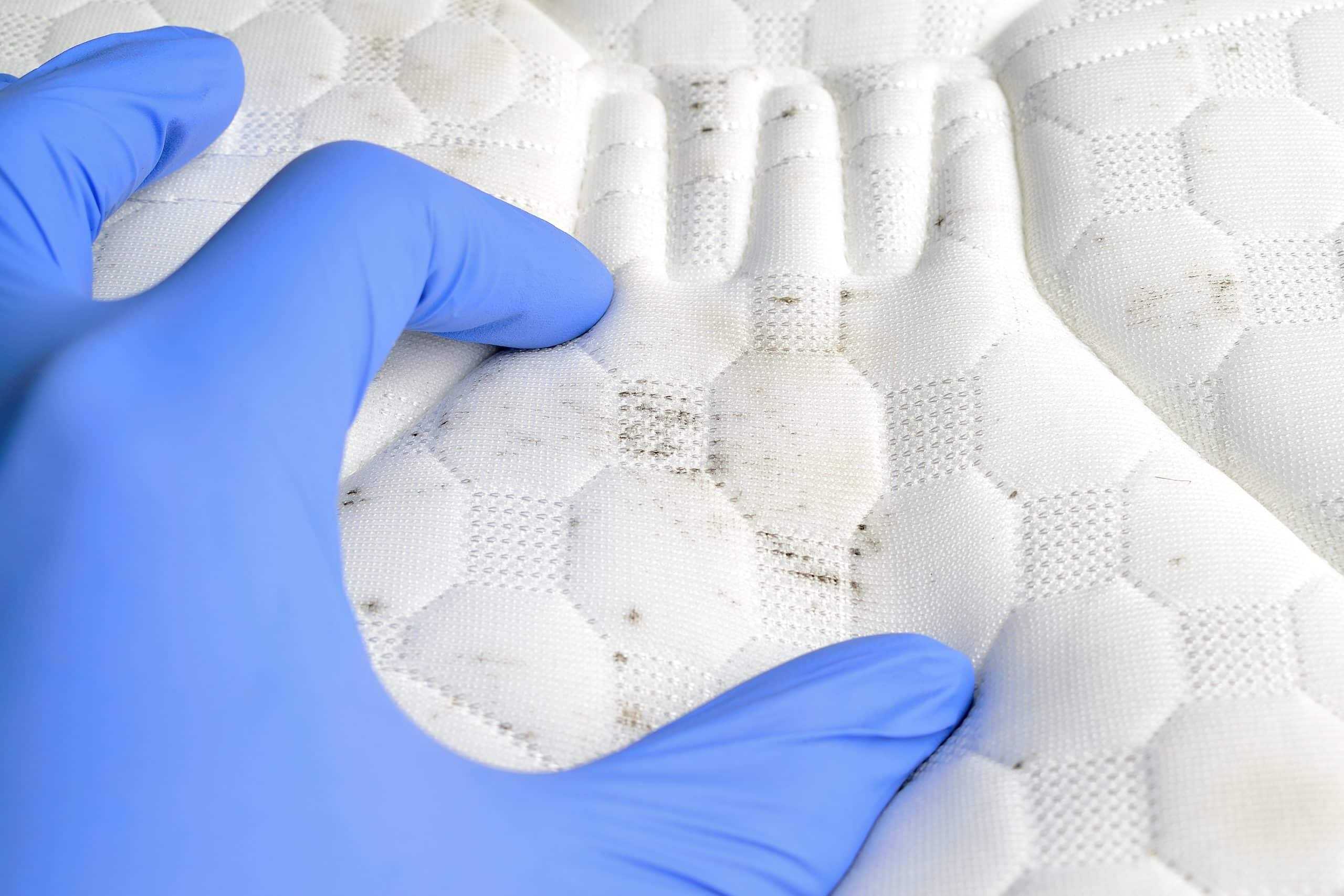
Mould develops when there is moisture. Through sweating, a person loses up to one litre of body fluid during sleep, which collects inside the mattress. If a warm and humid climate develops there, a breeding ground for fungi is created. In addition, condensation favours the spread of mould spores. If air circulation is restricted, the moisture from our breath settles on the mattress and promotes the formation of mould. Since mould stains are often only visible on the underside of the mattress, the spread of the fungi often goes unnoticed. Therefore, it is all the more important to take measures to prevent mould infestation in the long term.
Tips on how to avoid mould on the mattress
To give mould no chance, you must therefore ensure that your mattress can release the moisture it absorbs overnight back into the room air. Five practical tips will show you how to do this:
1. Ventilate twice a day! Airing the room briefly with the windows wide open reduces the humidity in the room and thus prevents the spread of mould spores. Especially in winter, you should therefore provide a fresh air supply in your bedroom for about 10 minutes twice a day. Unfortunately, a window left on tilt is often not enough to ensure sufficient air circulation.
2. Turn your mattress regularly! To prevent moisture from accumulating under the mattress, you should regularly lift it out of the bed frame and occasionally turn it over. This will also help you to see if there are any mould stains on the underside of the mattress.
3. Do not use bedspreads! Even though bedspreads look tidy and clean, they have exactly the opposite effect. They often prevent the mattress from releasing its moisture during the day. It is better to shake your duvet well once and then fold it back to give the mattress as much room as possible to dry.
4. Make sure you use breathable bed linen! Covers made of polyester or microfibre encourage night sweats and also restrict air circulation over the mattress. Go for bed linen made of cotton, linen or silk instead. These fabrics absorb moisture and dry quickly.
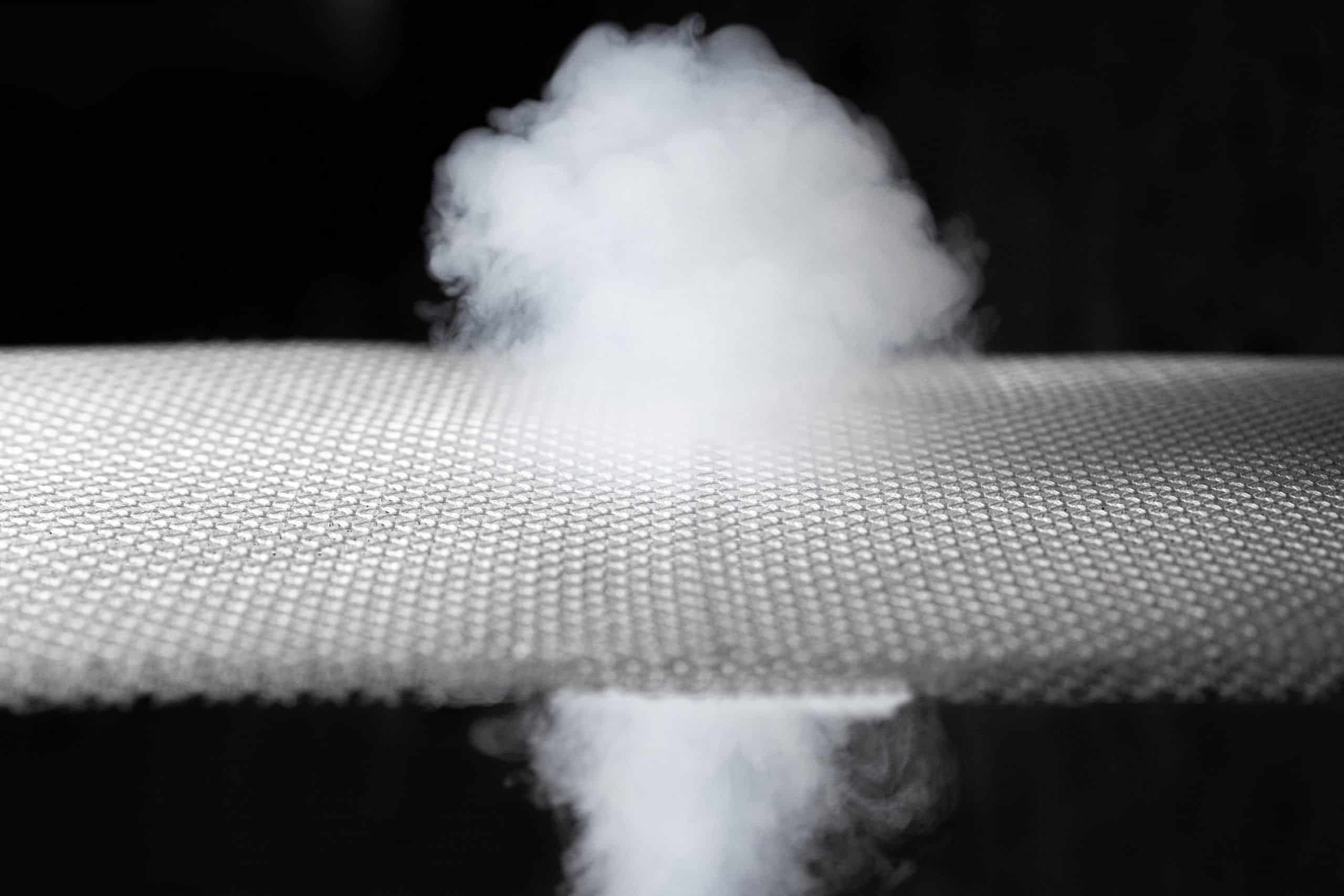
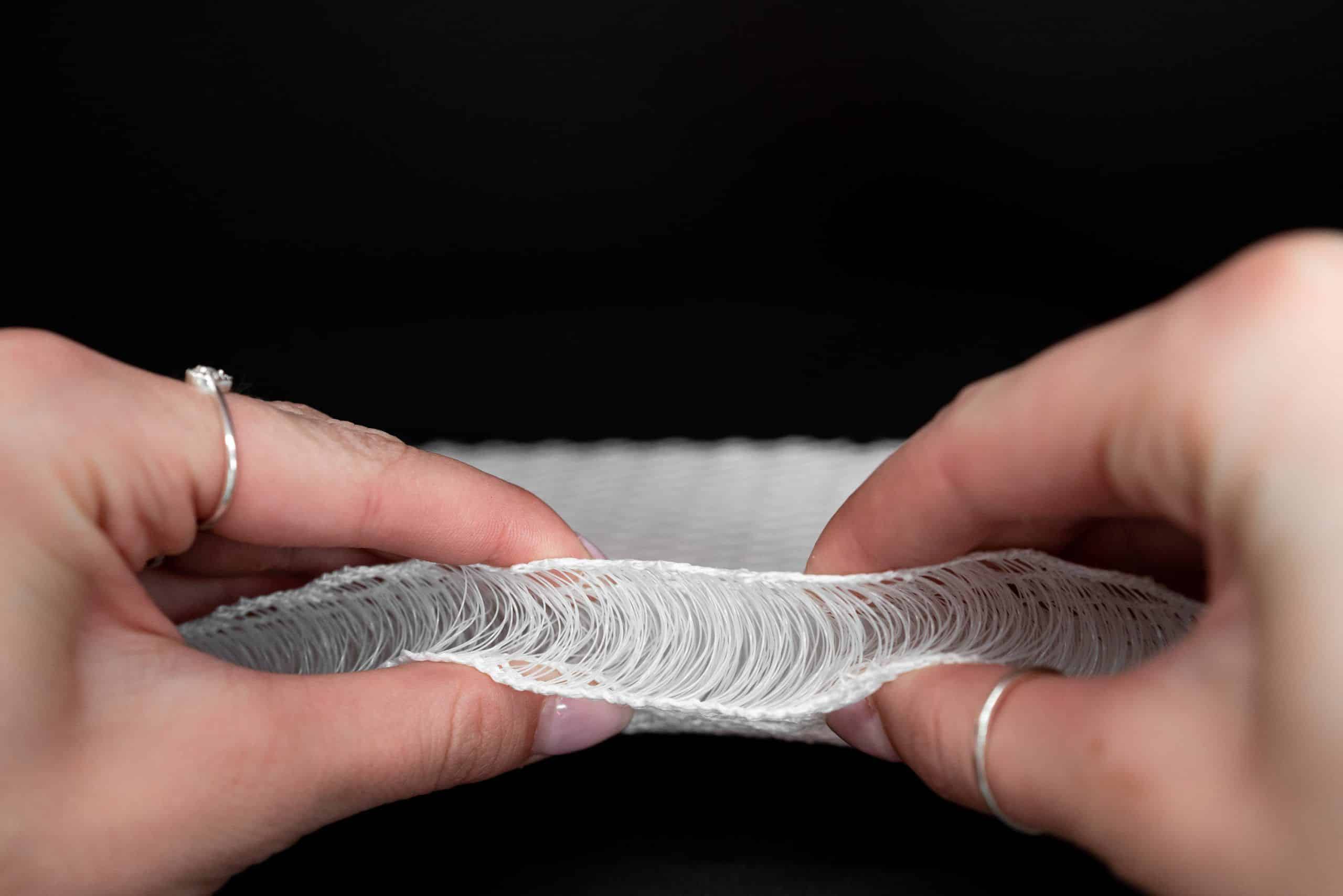
5. Use a slatted frame or mattress underlay! Mattresses that lie on a solid base are particularly susceptible to mould growth. To allow the moisture under the mattress to escape, you should place it on a slatted frame and in an open bed frame. This is often not possible in a motorhome, boat or roof tent. In this case, it is advisable to use breathable mattress underlays. For example, the Matnext Airflow mattress underlay allows air to circulate under the mattress and helps protect mattresses on the floor from mould.
Damp mattress: What to do?
Excessive sweating during sleep, a tipped-over glass of water or other mishaps can leave damp stains on the mattress. To prevent the moisture from penetrating into the mattress, quick action is required. However, with these valuable tips and a few useful home remedies, you will quickly succeed in drying the soaked mattress.
To remove most of the liquid from the surface, you should first press an absorbent cloth onto the damp spot. Turn the mattress over so that the liquid does not run into the mattress core. Now you can dry the wet mattress with baking soda, baking powder or clean cat litter. Simply apply this to the affected area and then vacuum it up again. If it is only a small stain, airing the room is usually sufficient; avoid using a hair dryer, as the heat can damage the foam. For larger amounts of liquid, you should lift the mattress out of bed and expose it to direct sunlight. Natural UV light not only has the advantage that it dries the damp mattress quickly, but can also help reduce mould spores and mites.