Remove mold in the camper
Remove mold in the camper: How to do it
You notice a musty smell in your camper or even discover mildew stains on the upholstery, furniture or walls of your camper? Then you should act immediately. Mold in the caravan or motor home not only looks unsightly, but can also have a negative impact on your health. In the worst case, mold can lead to respiratory problems, allergies or skin diseases. Here you can find out why motorhomes and caravans are particularly prone to mold infestation and how to remove the fungi from upholstery and furniture.
Causes of mold in the motorhome
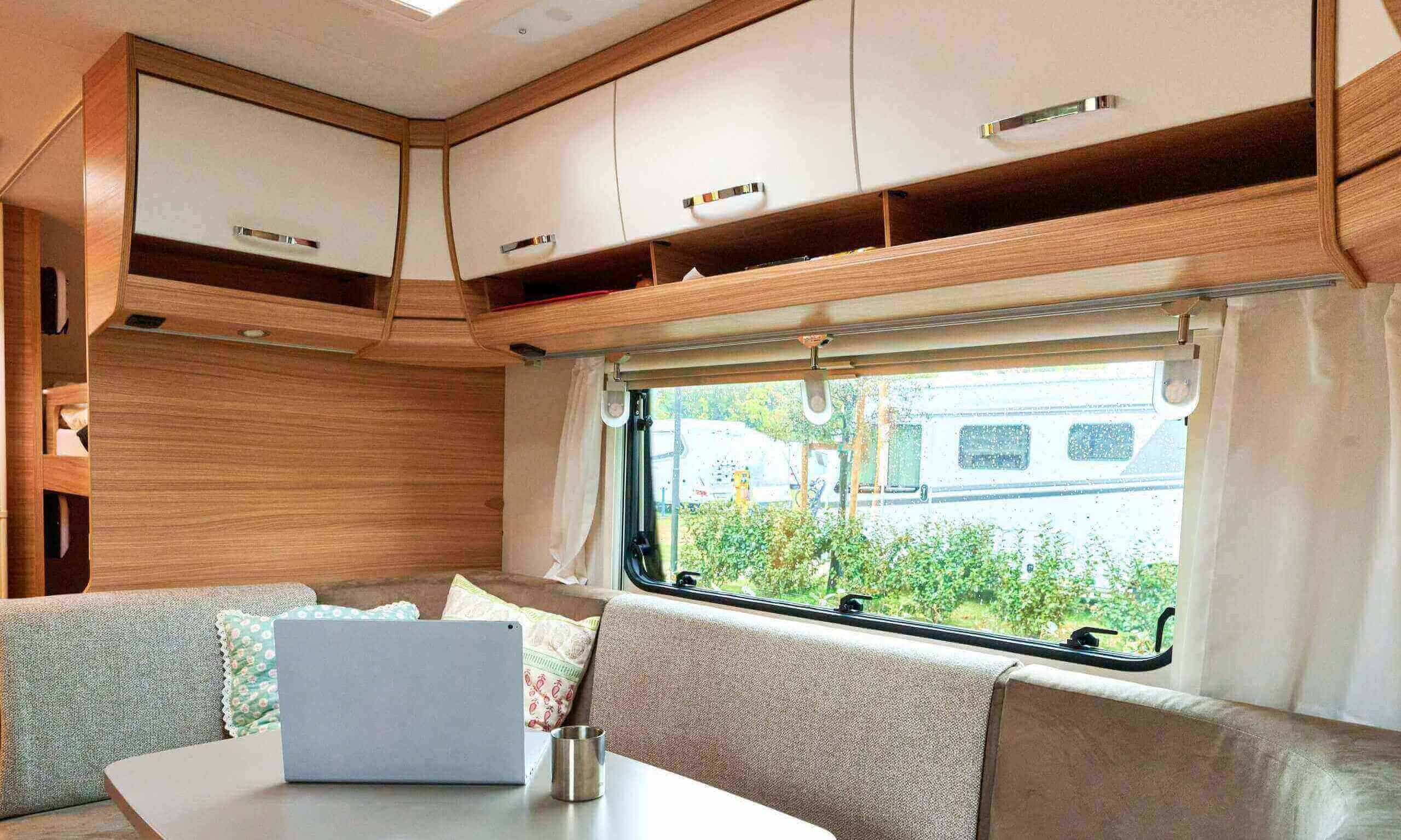
Mold is caused by moisture. When warm air meets a cold surface, condensation collects. This becomes visible especially on the window panes of your camper. Upholstery and other textiles, on the other hand, quickly absorb the liquid, so the high humidity in the room often goes unnoticed at first. If the moisture inside your camper or caravan cannot escape, mold will develop in the long term. The fungi can be easily recognized by a musty smell in the vehicle or dark mildew stains on furniture, walls and textiles. Motorhomes and caravans are particularly prone to mold growth because they are often exposed to wind and weather. Moisture is carried into the camper through leaks or wet clothing. The ventilation systems on the caravan are usually not sufficient to allow adequate air exchange inside. Especially in winter storage, when the camper or caravan is parked for a longer period of time, mold therefore often develops.
How to remove mold in the caravan
Mold is very stubborn and requires special treatment. Depending on the material of your camper's furnishings, different cleaning agents are suitable. Below you will find an overview of the various ways in which you can eliminate mold in your caravan or motor home.
Dispose of upholstery and textiles
Mattresses or seat cushions on which mildew stains have already formed should be disposed of immediately. As a rule, the spores have already penetrated so deeply into the core that the risk of new infestation is very high. If, on the other hand, you only suspect a superficial mold infestation, you can simply remove the covers from the upholstery and wash them at 60 degrees. You can find out how to remove mold from upholstery yourself in our guide "Removing mold from mattresses". When treating upholstery, rely more on tried-and-tested home remedies such as lemon juice, baking soda or tea tree oil. Often the ingredients of chemical mold removers are so aggressive that you could damage the fibers of the textiles.
Clean furniture with vinegar or alcohol
You can also use very simple household remedies to remove mold stains from your motorhome furniture. For example, highly concentrated vinegar or alcohol can be used to clean smooth, non-porous surfaces such as painted wood. Apply a generous amount to the affected area, let it soak in briefly and then wipe off the liquid. Repeat the process a few times. Alternatively, you can also resort to special mold sprays. But beware: when treating mold infestation, many spores are released into the air. So, if possible, it is best to carry the furniture outside first for cleaning. In addition, the use of gloves and a face mask is highly recommended.
Seal wood after cleaning
Wood also absorbs moisture well and is therefore particularly susceptible to mold. To remove mildew stains from wooden furniture or other wooden objects, you can also use household remedies such as vinegar or bleach. However, since cleaning agents containing chlorine often cause discoloration, you should first test the mold remover on an inconspicuous area. After successful cleaning, it is advisable to seal the wood. Instead of varnishing, we recommend oiling the treated furniture. This allows the wood to release moisture back to the outside despite being sealed. If the mold has already penetrated deep into the material, unfortunately, the only solution is to thoroughly sand down the affected area or to dispose of the piece of furniture altogether.
Tips to prevent mold in the caravan
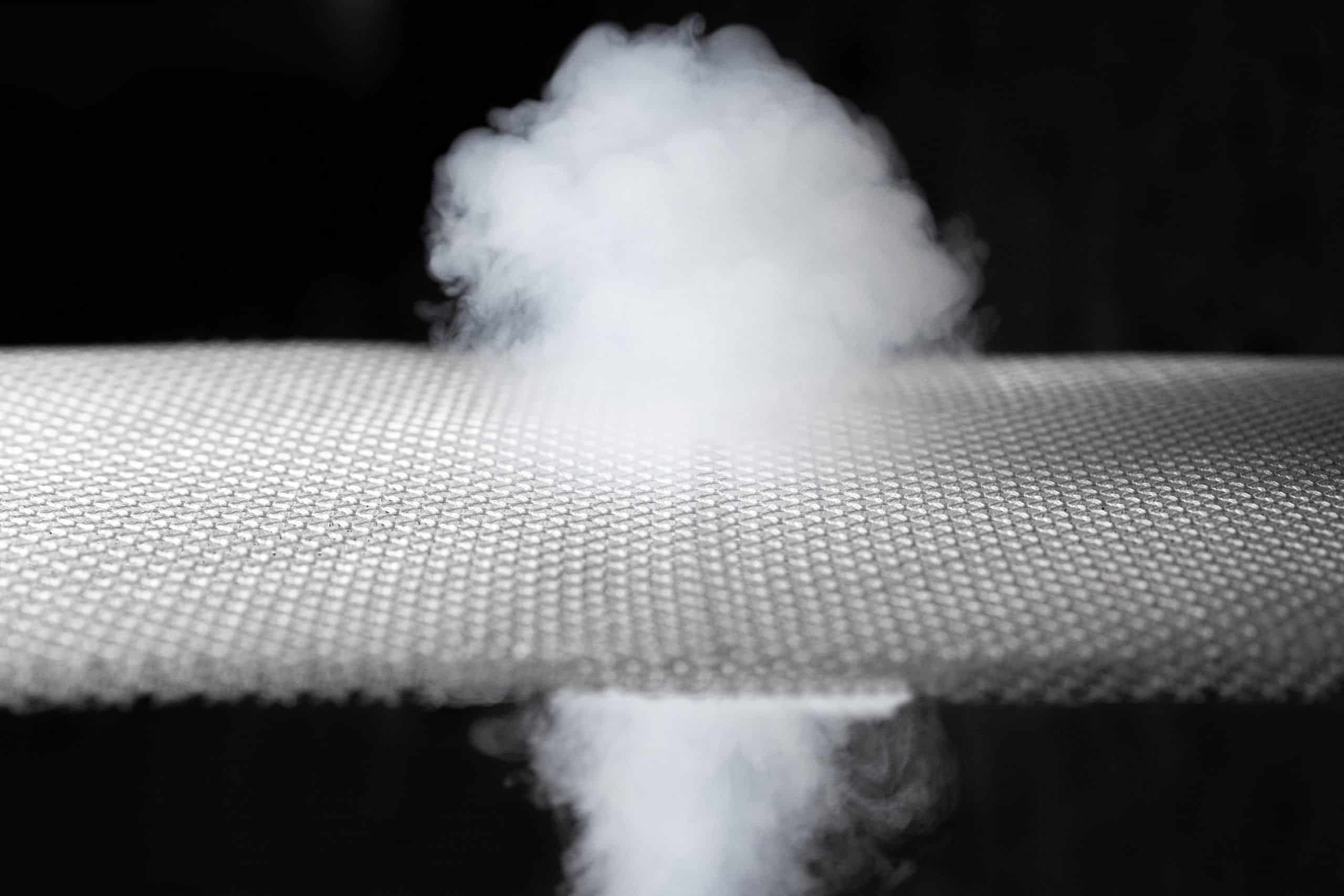
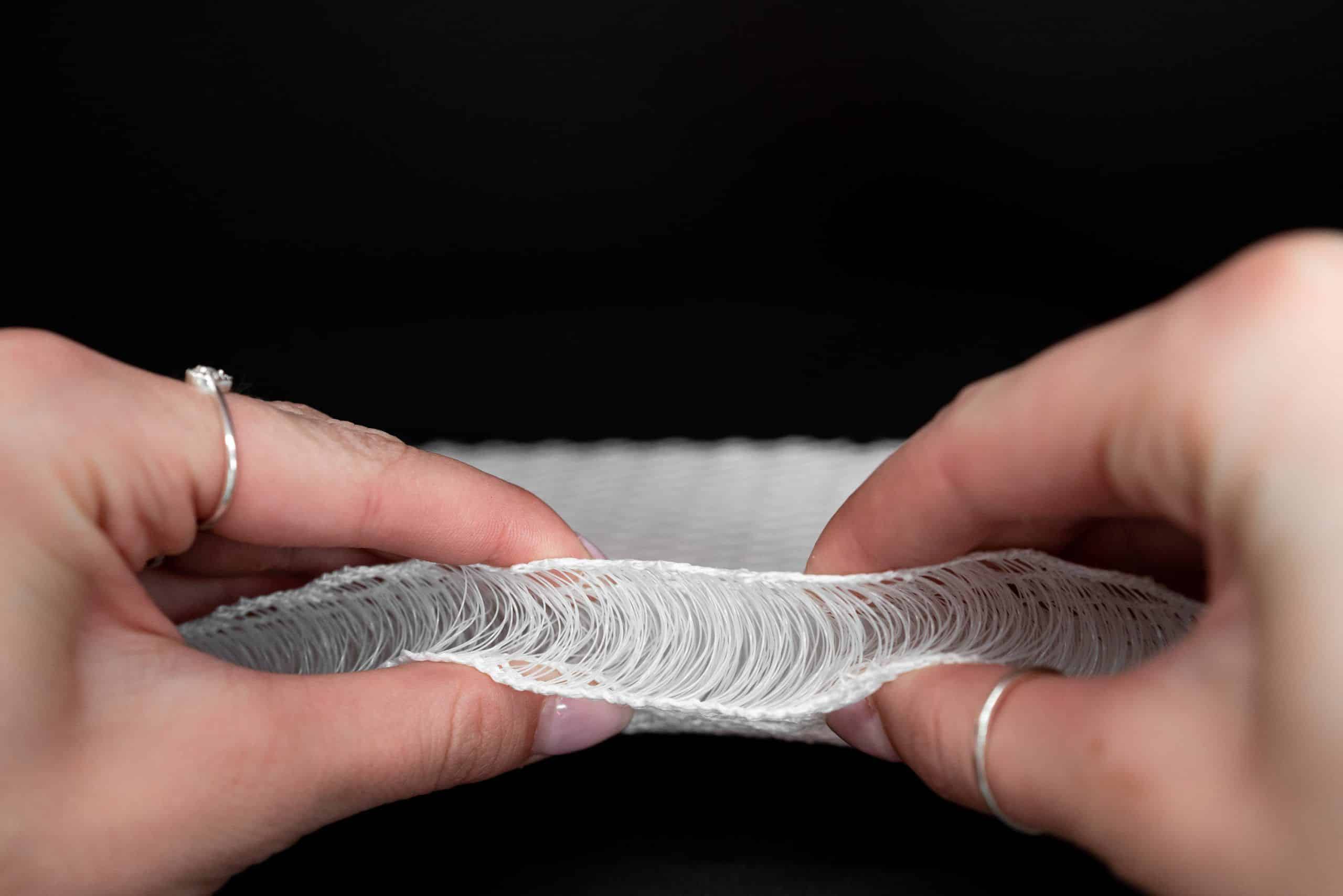
To prevent mold in the camper, you should ensure sufficient air circulation in your camper. By regularly airing and drying damp areas, you can prevent condensation from settling on upholstery and furniture. If you leave your camper unused for a long period of time, it is also advisable to remove all objects and textiles that could absorb moisture. When traveling, you should also be careful not to place your sleeping mattress directly on the floor or tabletop. It's best to use a mesh mattress underlay. It creates an air space between your mattress and the solid surface. This allows any condensation that collects in your mattress overnight to escape immediately. For more tips on how to avoid moisture in your camper, check out our guide "Moisture in the camper: what to do?".