Mold in the box spring bed
Mold in Box Spring Beds: Causes, Consequences & Prevention
The box spring bed is the perfect retreat after a long day, but what happens when unpleasant odors or dark spots disrupt the comfort? Mold in box spring beds is a frequently underestimated problem that can not only shorten the lifespan of your bed but also pose health risks.
In this article, you’ll learn how mold forms in box spring beds, the factors that contribute to its development, and, most importantly, how to protect your bed from mold with simple measures, from using mattress underlays to practical tips for proper ventilation and maintenance of your bed.
Possible causes of mold formation
The formation of mold in a box spring bed can have several causes. Moisture and inadequate ventilation are the primary reasons. This can be due to the general room climate or the body’s own moisture, as the body releases moisture during sleep, which can accumulate in the mattress. Without proper ventilation, this moisture remains trapped in the materials, fostering mold growth. Another potential cause may lie in the materials used in the box spring bed. For instance, materials like foam absorb moisture more quickly and encourage mold growth if not regularly dried. This often occurs in beds lacking a breathable mattress underlay, which would prevent moisture from becoming trapped within the material. Additionally, the location of the bed also plays a role. Beds placed too close to walls or in damp corners can lead to condensation, increasing the risk of mold.
Box Spring Bed & Mold: These Are the Risks
Mold in a box spring bed not only looks unpleasant but also poses serious health risks. Mold spores can trigger allergic reactions such as skin irritation or respiratory problems. This is especially concerning for sensitive individuals or those with pre-existing health conditions, as mold exposure can worsen their health. However, it’s not just your health that is affected: your box spring bed itself can suffer significant damage from mold. The mattress may be permanently compromised, leading to a considerably shorter lifespan. Additionally, unpleasant odors can develop, negatively impacting your sleep environment. Therefore, timely intervention and regular maintenance are crucial to protecting both your health and the longevity of your mattress.
Preventing Mold: How to Keep Your Bed Protected
To prevent mold in your box spring bed, there are various methods you can use. From optimizing the room climate to maintaining appropriate humidity levels, to using a specialized mattress underlay with breathable properties, here are some helpful tips to keep mold at bay.
Optimize the Room Climate
The right room climate is crucial for preventing mold in a box spring bed. High humidity promotes moisture accumulation, significantly increasing the risk of mold. Therefore, it’s essential to maintain the room’s humidity level ideally between 40% and 60%. This can be achieved through regular ventilation, such as opening the windows for at least 10 minutes in the morning and evening to let in fresh, dry air. Additionally, using a dehumidifier can help keep the air at a comfortable and safe humidity level.
Cleaning & Maintenance of Box Spring Beds
Regular maintenance plays a significant role in preventing mold in a box spring bed. Dust and dirt should be vacuumed regularly to keep the mattress hygienic. Additionally, you should not only change the bed linen at least every 14 days but also air out the mattress to ensure proper airflow. This allows moisture, which can come from sweating or other sources, to dry quickly.
Protection Through Specialized Mattress Underlays
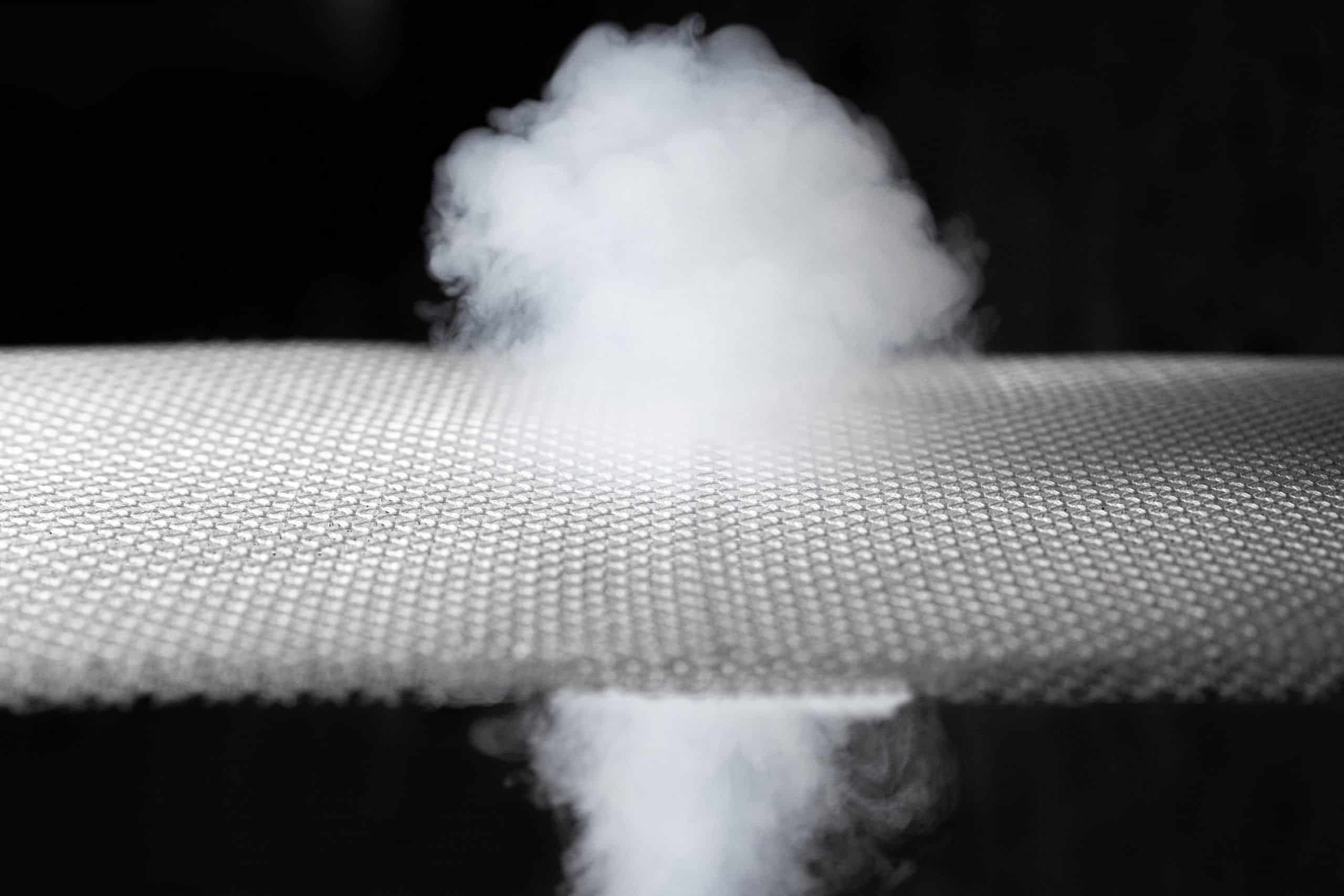
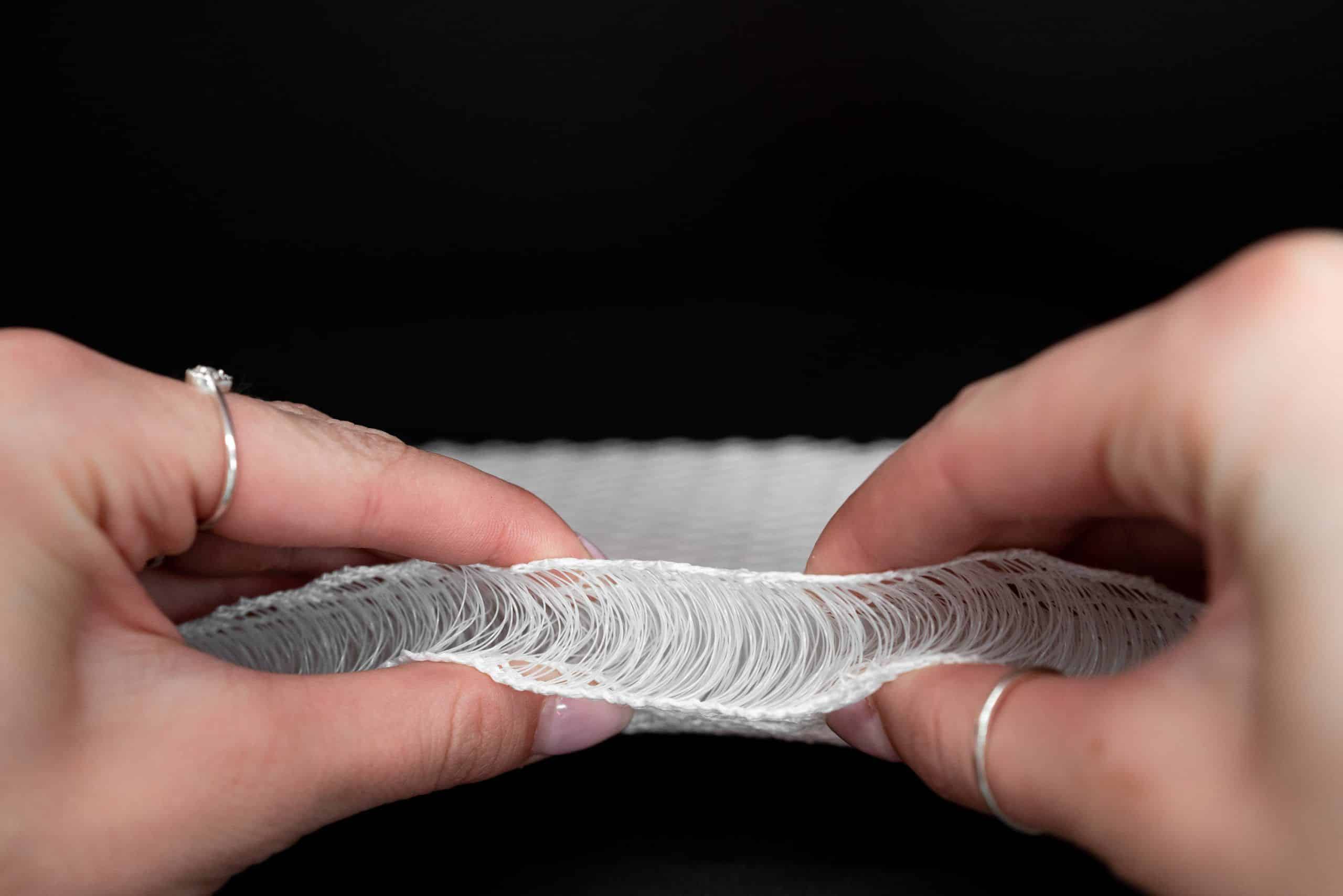
One of the easiest ways to protect your box spring bed from mold is by using specialized mattress underlays, such as the 3D spacer fabric mattress underlay from Matnext. This pad not only provides extra sleeping comfort with its elastic, cushioning effect but also creates an air gap so that condensation moisture can escape from the underside of the traditional mattress. This helps keep your mattress dry and hygienic.
Actions Against Mold: Properly Cleaning a Box Spring Bed
To remove mold from a box spring bed, quick action is essential. Thoroughly clean the affected areas with a mild cleaning agent and disinfect them afterward. It is also crucial to dry these areas properly to prevent mold from reappearing. If you are using a 3D spacer fabric mattress underlay, clean it as needed as well. However, if the mold has already penetrated deeply into the traditional mattress, replacing it is necessary to avoid health risks.
By following our tips on proper preventive measures and ideal care, your bed will remain hygienic, allowing you to enjoy a healthy sleeping environment for many years!