Drying a damp mattress
Drying a damp mattress: tips & tricks
All of us have probably had to deal with a damp mattress at some point. This often causes worry and questions. We can give you simple tips on how to dry your mattress using everyday household remedies. Our guide will also tell you how you can avoid moisture on your mattress in the future. This way, you can enjoy your mattress for as long as possible and enjoy a restful night's sleep without any worries.
A damp mattress is not uncommon
The good news to start with: a damp mattress is nothing unusual and there is no need to worry too much at first. Nevertheless, you should take action. A mattress is an expensive investment and should therefore last a long time. However, damp mattresses harbour the risk of mould growth and, in the event of extensive infestation, you often have no choice but to dispose of the mattress. Mould can lead to health problems such as allergies and other respiratory problems. To prevent this from happening, you just need to follow a few simple steps to get the mattress dry.
Causes of moisture on the mattress
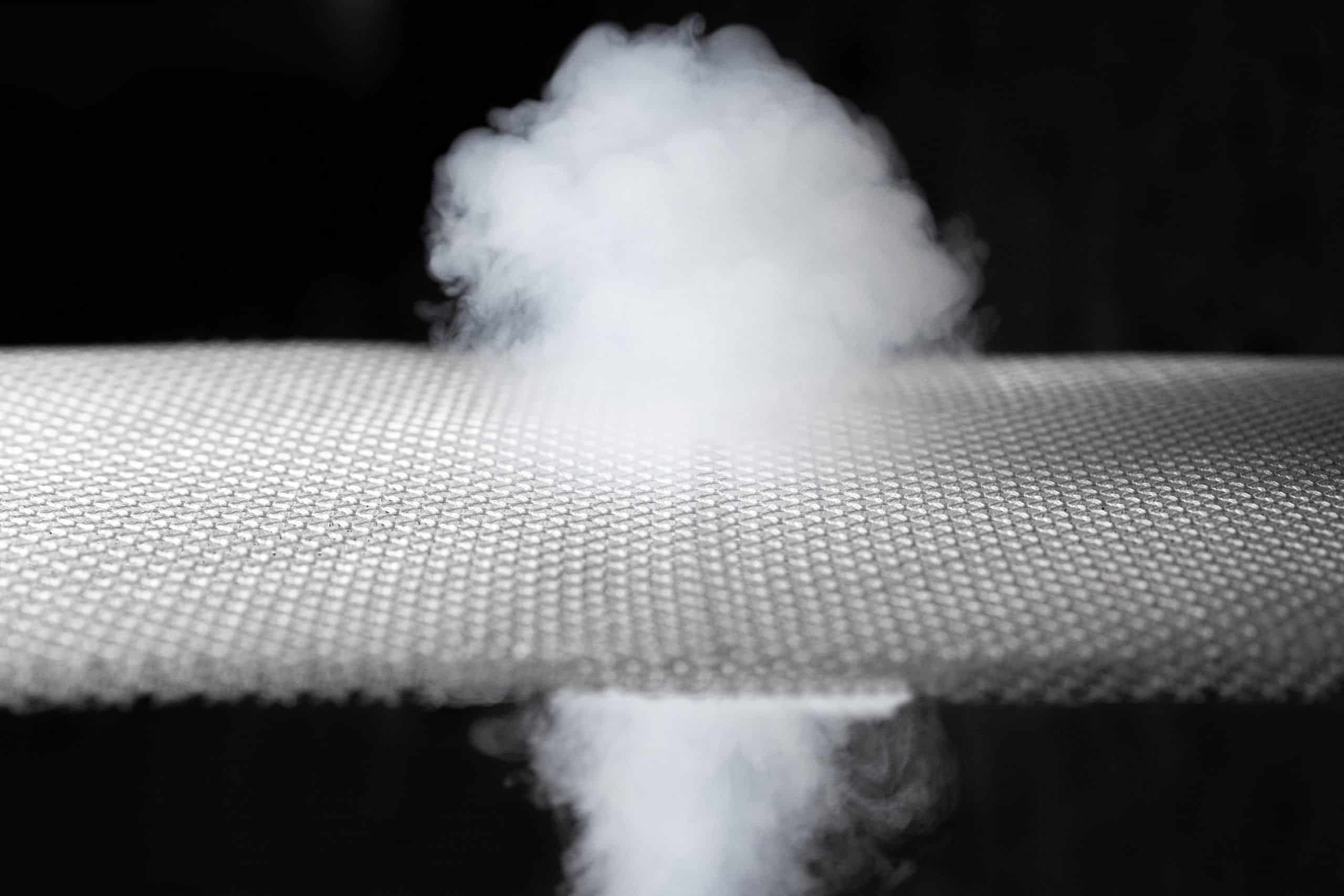
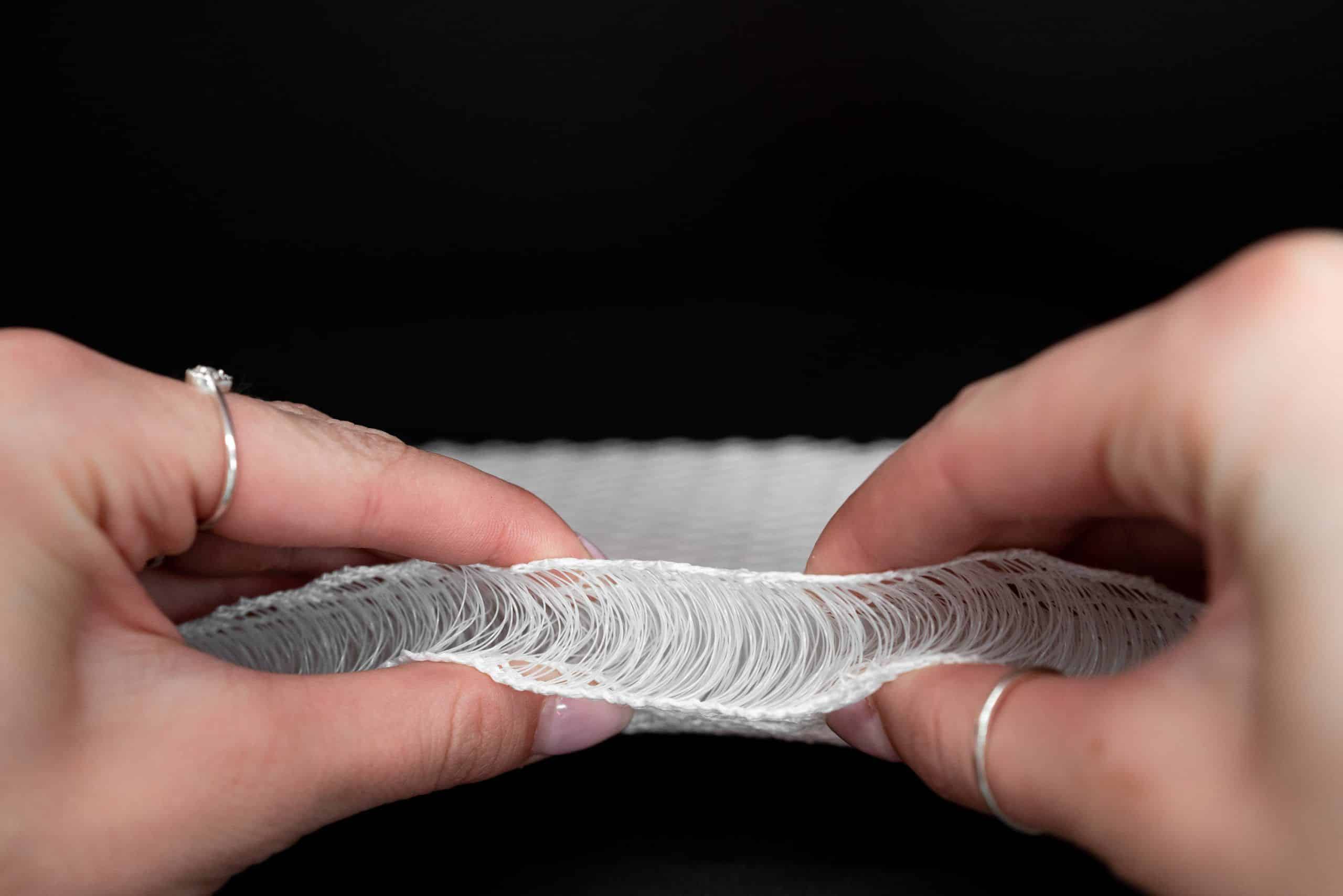
Damp mattresses can have various causes. The most common reason is probably the spillage of a cup or glass. However, incontinence and night sweats (the human body loses up to 1 ½ litres of fluid in one night) also often lead to the mattress absorbing moisture. Other causes can be a poor indoor climate or a non-breathable mattress. A poorly ventilated slatted base also favours the retention of moisture in the mattress. In this context, the use of a mesh mattress underlay is recommended. It creates an air space between the mattress and the base, which allows moisture to escape from the underside of the mattress.
The mattress is wet: what to do?
But now the mattress is damp: time to take action! Basically, heat and air are the best ways to dry the mattress. We will show you various ways of drying your mattress.
1. Ventilate the bedroom
Probably the easiest way to dry your mattress is air (but this only applies to small amounts of moisture). You should try to air the bedroom for about 30 minutes a day, 15 minutes in the morning and 15 minutes in the evening, to allow the air to circulate. This ensures an exchange of air and also allows the wet mattress to dry. It is best to remove duvets and pillows from the mattress during this period so that it can "breathe" properly. The mattress should be ventilated from below, which is why you should open the drawers in the bed base.
2. Dry using a heat source
But how can a soaked mattress be dried if simply airing it is no longer enough? Here, too, you can initially rely on natural means. For example, lean the mattress against a chair and place both in the sun. The sun not only helps to dry the mattress quickly, its UV light can also reduce germs. If it is autumn/winter and there are few hours of sunshine, the mattress can also be dried on the radiator. The important thing here is that it is close to the radiator but not leaning directly against it.
3. Clean with cloths and household products
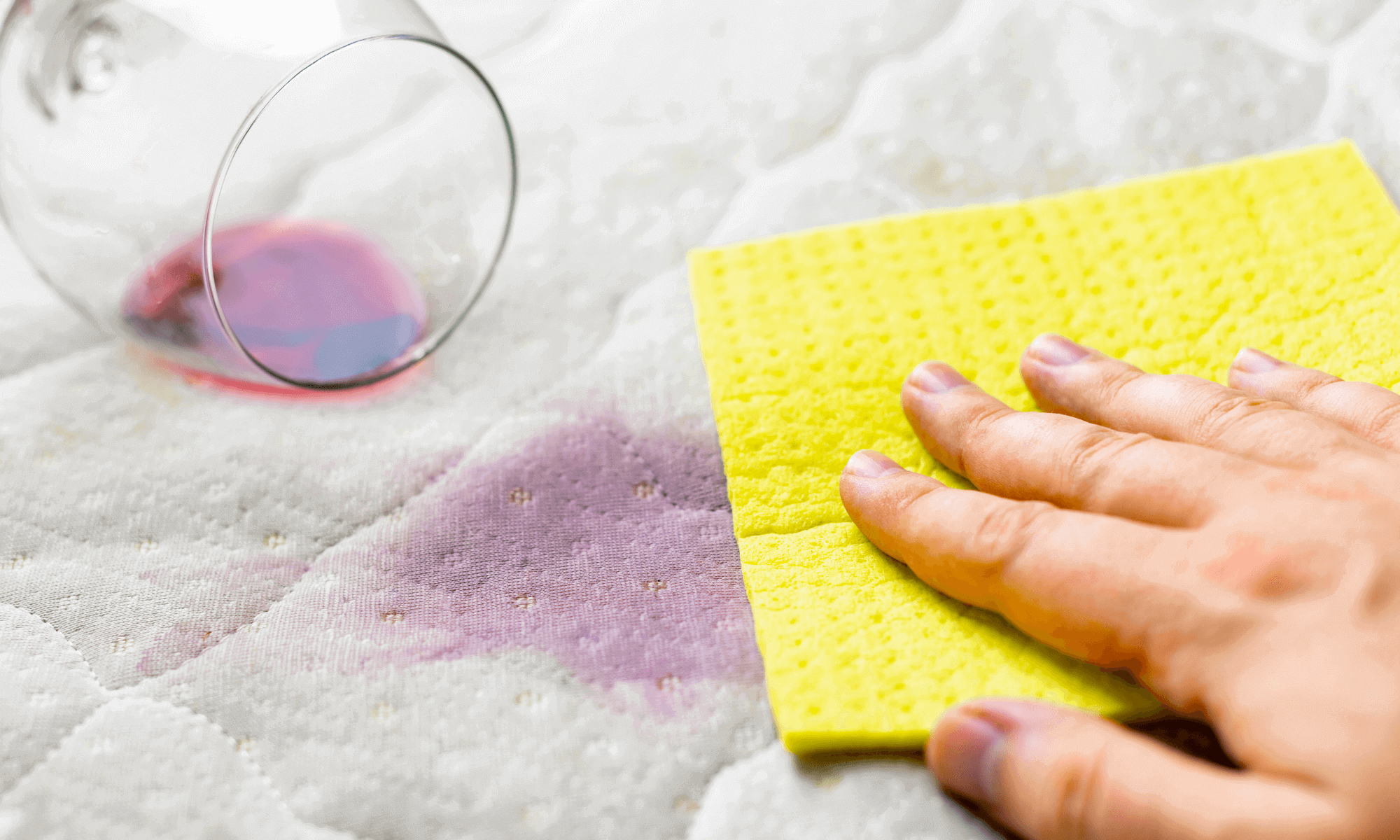
In the event of a spilt coffee or an overturned wine glass, you should take action more quickly. But how can you get the mattress dry in such situations? If there is a small amount of liquid, it can simply be soaked up with an absorbent cloth. If there is a real pool, you should first turn the mattress over and place the damp area on a cloth so that the liquid cannot soak into the core of the mattress. The following household remedies can also help:
Baking soda
The household remedy baking soda can also help to remove liquid and dry the mattress. Simply sprinkle some on the relevant area. The powder absorbs the liquid and can help counteract mould. You must then leave the mattress open to dry. This can sometimes take several days. You can then simply vacuum up the baking soda with a standard, previously disinfected vacuum cleaner.
Baking powder
Baking powder works in the same way as baking soda. Sprinkle the powder on the damp areas and let it take effect. How long you leave it depends on the time you have, from at least 30 minutes to, ideally, 24 hours. Then simply vacuum it up again with a commercially available, disinfected vacuum cleaner. The advantage: this not only dries the wet mattress, but also removes unpleasant odours.
Vinegar or enzyme cleaner
If the stain is urine, wiping or drying the mattress is unfortunately not enough. To disinfect and clean the mattress, you will need an enzyme cleaner or, alternatively, vinegar. Treat the affected area with the cleaner and spread it out. Leave the product to work for five minutes before removing it with a clean, damp cloth. The unpleasant odour should now have disappeared.
4. Clean with a wet vacuum cleaner
The worst-case scenario: the bed is under the open window and it rains on the mattress. In this case, it will be difficult to get the mattress dry with a mountain of cloths. Instead, you will need a wet/dry vacuum cleaner, if available. Using the previously disinfected nozzle, run it slowly over the excess liquid and suck it up.
Cat litter
Once the excess liquid has been removed, you can use cat litter to remove the remaining liquid. To do this, sprinkle some cat litter on the damp mattress and press a towel onto it. Then vacuum up the cat litter with the wet/dry vacuum cleaner. If this process is not sufficient, simply repeat it.
What else you should know when cleaning a damp mattress
It is generally advisable to clean your mattresses regularly, either to prevent mould or to remove mites from the mattress for allergy sufferers. If possible, we recommend simply washing the mattress cover once every few months at 60°C in the washing machine. This should kill off the harmful organisms.
What you should do
Always use clean utensils and hygienic, sanitised items for cleaning. You are sleeping on this mattress and don't want to be lugging around any extra dirt. A dust mite vacuum cleaner is also recommended for allergy sufferers.
If you are interested in more information on how to clean your mattress properly and gently or even need to remove mould from it, please read our guide on removing mould from your mattress. You can also find useful tips and tricks in our guide Preventing mould on your mattress.
What you should avoid
The most obvious way to dry a mattress would be to use a hairdryer. It would be convenient and quick. Please don't do this! Firstly, it consumes a huge amount of energy and secondly, there is a risk of burning the foam. If you absolutely have to use it, use the lowest setting and keep the hairdryer at a sufficient distance from the mattress.
You should also not dry your mattresses on an open fire. There is a risk that a spark could jump onto the mattress and ignite the foam mattress. In addition, stoves and fireplaces cause a smoke odour that lingers in the mattress.
You should also do without the classic carpet beater if you still have one. Its effect is questionable and is more likely to damage your mattress. Instead, use a soft and clean brush.