
Sustainable Camping: Valuable Tips
Sustainable Camping: Tips for an Eco-Friendly Vacation with Ecocamping
As environmental protection and sustainability become increasingly important, more and more people are looking to reduce their ecological footprint while camping. In this article, we provide valuable tips on how to camp in an eco-friendly way while preserving the beauty of nature.
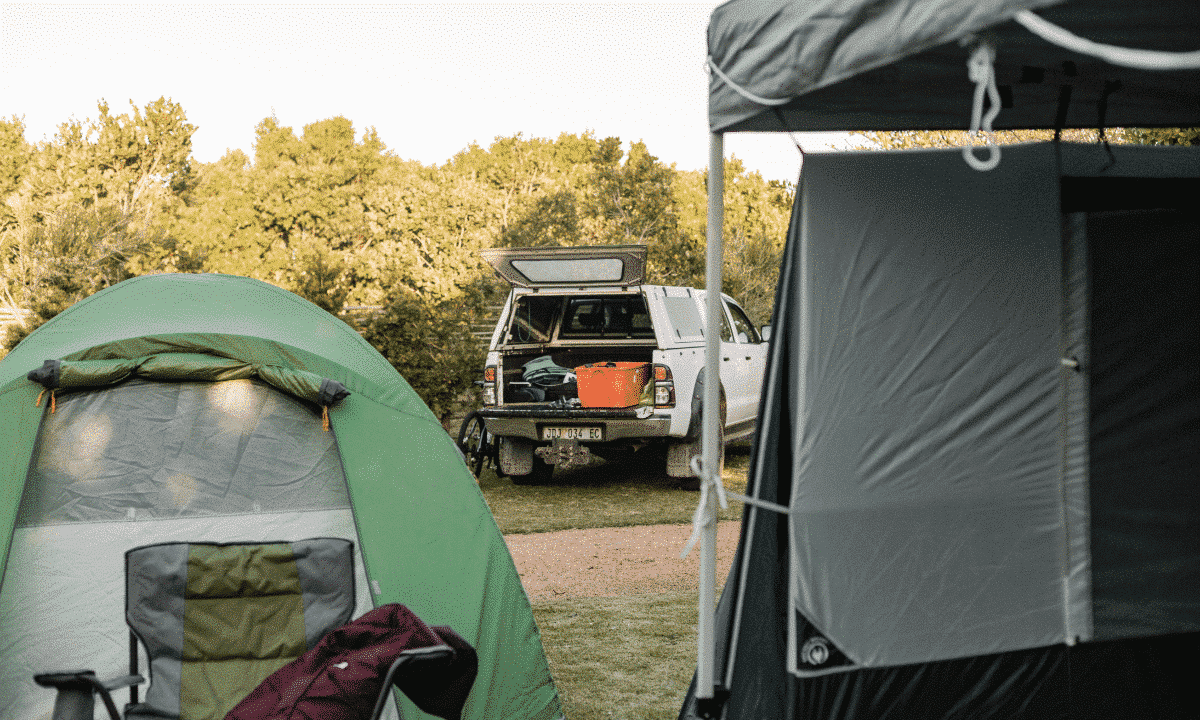
Is camping sustainable?
Camping can definitely be sustainable if the right measures are taken. By making conscious choices, you can help minimize environmental impact. Using sustainable camping gear and accessories, utilizing renewable energy on campsites, and reducing energy consumption can significantly reduce your ecological footprint.
Tips for sustainable camping:
1. Eco-Friendly Camping | Choose an Eco Campsite:
When choosing your campsite, opt for facilities that are committed to environmental protection and sustainability. These campsites often feature extensive recycling options for various materials and increasingly rely on renewable energy sources such as solar and wind power. By using solar panels and wind turbines, they can meet a significant portion of their energy needs from eco-friendly sources, leading to a substantial reduction in environmental impact.
In addition, sustainable campsites encourage environmentally conscious behaviour among their guests. They provide information about sustainable practices and encourage visitors to use resources sparingly, for example by using energy-saving bulbs, limiting water use or avoiding disposable products.
2. Use sustainable camping gear
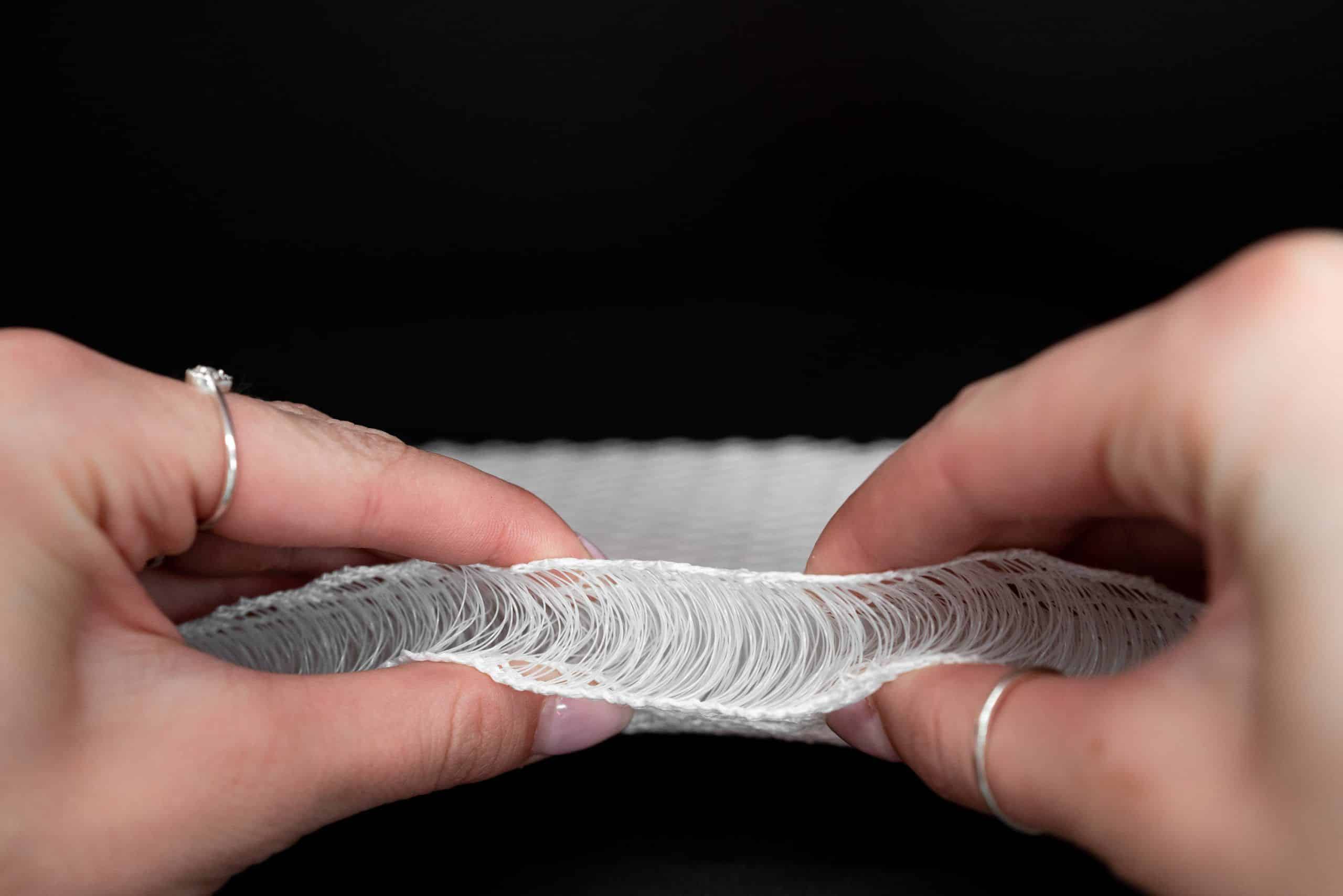
For a fully sustainable camping experience, it's important not only to consider environmental protection when choosing a campsite but also to select your camping gear accordingly. At Matnext, we offer a mattress underlay made from natural fibres for your camping trip. Made from coconut fibres and natural latex, the Matnext Airflow ECO ventilates your mattress from below like our Matnext Airflow 3D Air Mesh and is naturally non-slip.
Another way to camp sustainably is to choose environmentally friendly camping crockery and accessories. Invest in products made from materials such as bamboo or stainless steel. These materials are durable, easy to clean and have less impact on the environment than conventional plastic products.
Avoid disposable products such as plastic plates and cutlery and use reusable alternatives instead. There are many options on the market, including reusable cups, plates, cutlery sets and even lunch boxes. Beeswax wraps can also be a good, versatile alternative to plastic. These products can be used again and again and help to reduce the huge amount of waste caused by disposable products.
3. Save energy and conserve resources at the campsite:
An important aspect of sustainable camping is reducing energy consumption and conserving resources at the campsite. Just like at home, it's crucial to use water and electricity mindfully while camping to minimize environmental impact and contribute to environmental protection.
Use solar energy to charge your electronic devices, and be mindful of using lights and heating only when absolutely necessary. By managing energy usage consciously, you can significantly reduce your carbon footprint while also lowering the costs of your camping trip.
At the campsite, it's also important to avoid using water and electricity unnecessarily. Limit your time in the shower, turn off the tap while washing dishes, and avoid leaving electronic devices running overnight. These practices help conserve resources and lighten the environmental load.
The air conditioning in a motorhome in particular can be a real energy drain. If you don't need it during the day, it's best to turn it off, and when using it, avoid setting the temperature too high or too low. This not only helps reduce energy consumption but also contributes to a more comfortable and eco-friendly camping experience.
4. Dispose of waste properly:
Be responsible and dispose of your waste properly. Separate your trash and use the recycling facilities available at the campsite.
5. Travel in an eco-friendly way:
When traveling by motorhome, eco-friendly driving is crucial to minimize fuel consumption and reduce environmental impact. By accelerating smoothly and driving with foresight, you can travel more efficiently. Plan your route in advance to avoid unnecessary miles and save fuel.
Explore your vacation region in a sustainable way, without always relying on your motorhome. Use alternative modes of transportation like bicycles or walking to spend more time outdoors and possibly discover hidden gems. Often, short distances can be covered more quickly without a vehicle, avoiding long searches for parking. In unfavorable weather, public transportation offers an eco-friendly and cost-effective alternative to reach your destinations.
6. Enjoy nature respectfully
Stay on marked paths, keep your distance from wild animals and do not pick protected plants. Only park and camp where it is permitted, and leave your pitch as clean as you found it. Where there are no bins, take your rubbish with you and dispose of it later.