Avoid bedbugs and other pests
Protection against bedbugs: signs and measures
A horrifying thought: bedbugs in your mattress! In many large cities, the plague of bedbugs is making a worrying return. Holidaymakers are carrying them from hotels and public transport into their own beds. Itching, rashes and disgust are the unpleasant consequences. Find out how these tiny bloodsuckers multiply unnoticed and why they are so difficult to recognise. Bedbugs, the uninvited guests in your bedroom.
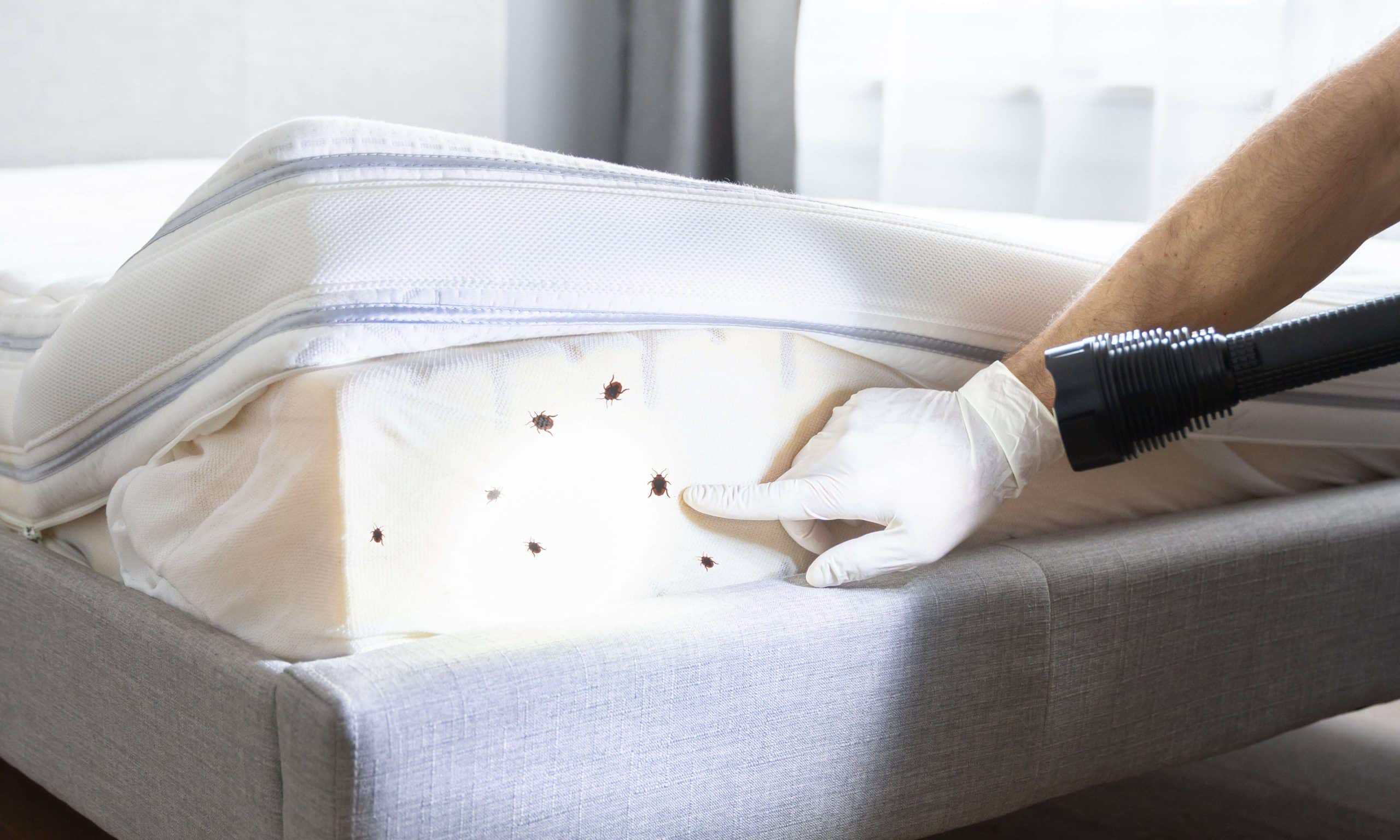
Even the thought of bedbugs in the mattress makes many people shudder. For a long time, it seemed as if these annoying bugs had almost been eradicated, but they are multiplying rapidly again, especially in large cities. Especially in summer, holidaymakers bring bedbugs home with them from hotels or take them from public transport to their own beds. This results in itching, rashes and an unpleasant feeling when faced with these little bloodsuckers. As the small bugs are difficult to recognise, they can multiply unnoticed. Both the eggs and the young are so tiny that they can easily be overlooked. Only when they are fully grown can the bedbugs be identified with the naked eye.
Where do bedbugs live?
As the name suggests, bedbugs are masters at making themselves at home in beds. The reason for this lies in their feeding habits: they feed on the blood of warm-blooded creatures. They therefore always seek to be close to humans. As a result, bedbugs can be found in areas where people linger, be it in cinemas, buses and trains or in hotels.
Signs of a bed bug infestation
There are various ways of recognising a bed bug infestation:
- Finding bed bugs, either alive or dead.
- Bed bug bites on the body.
- A sweet odour may occur in heavily infested rooms.
- Bed bug faeces that look like small black dots.
Measures to combat bedbugs
If you discover bed bugs on your mattress, it's important to stay calm and take appropriate action. Here are some helpful steps:
1. Locate and clean the hiding places
Firstly, you need to locate where the bedbugs are hiding. The eggs can be removed with a hoover or collected using adhesive tape. After vacuuming, the bag should be tightly sealed and ideally kept in the freezer for a few days to kill the eggs. The same applies to the adhesive tape.
2. Wash everything
Any affected clothing and linen should be washed immediately at a minimum of 60 degrees Celsius to ensure that all bugs and eggs are killed. It is advisable to also wash unaffected laundry so as not to miss anything.
3. Freeze items and laundry
Another method of combating bedbug infestations is to freeze affected items. Laundry or smaller items should be packed in plastic bags or rubbish bags and sealed tightly. The bag should then be kept in the freezer for at least 4 days to ensure that all eggs are killed.
Preventive measures for bed bugs
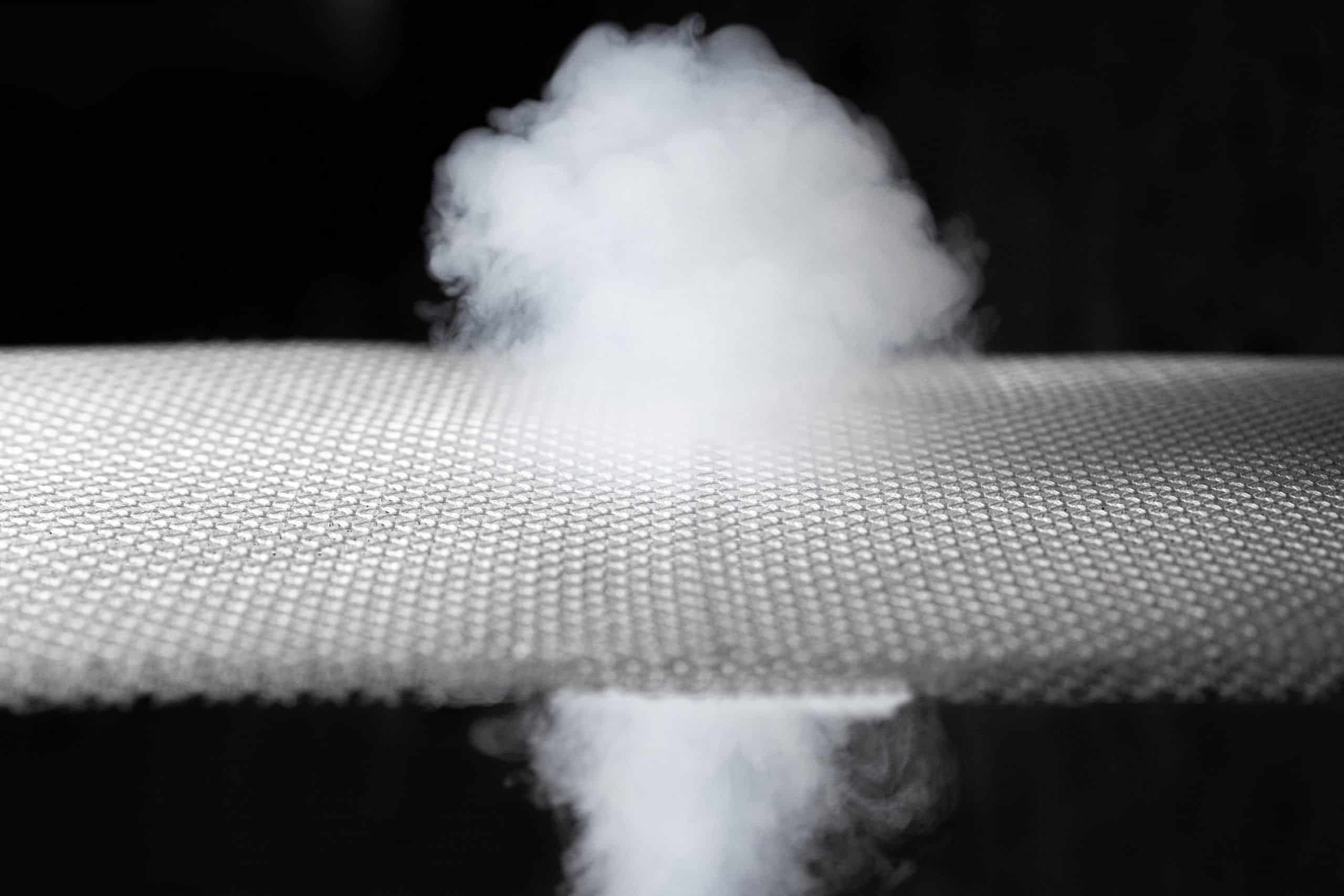
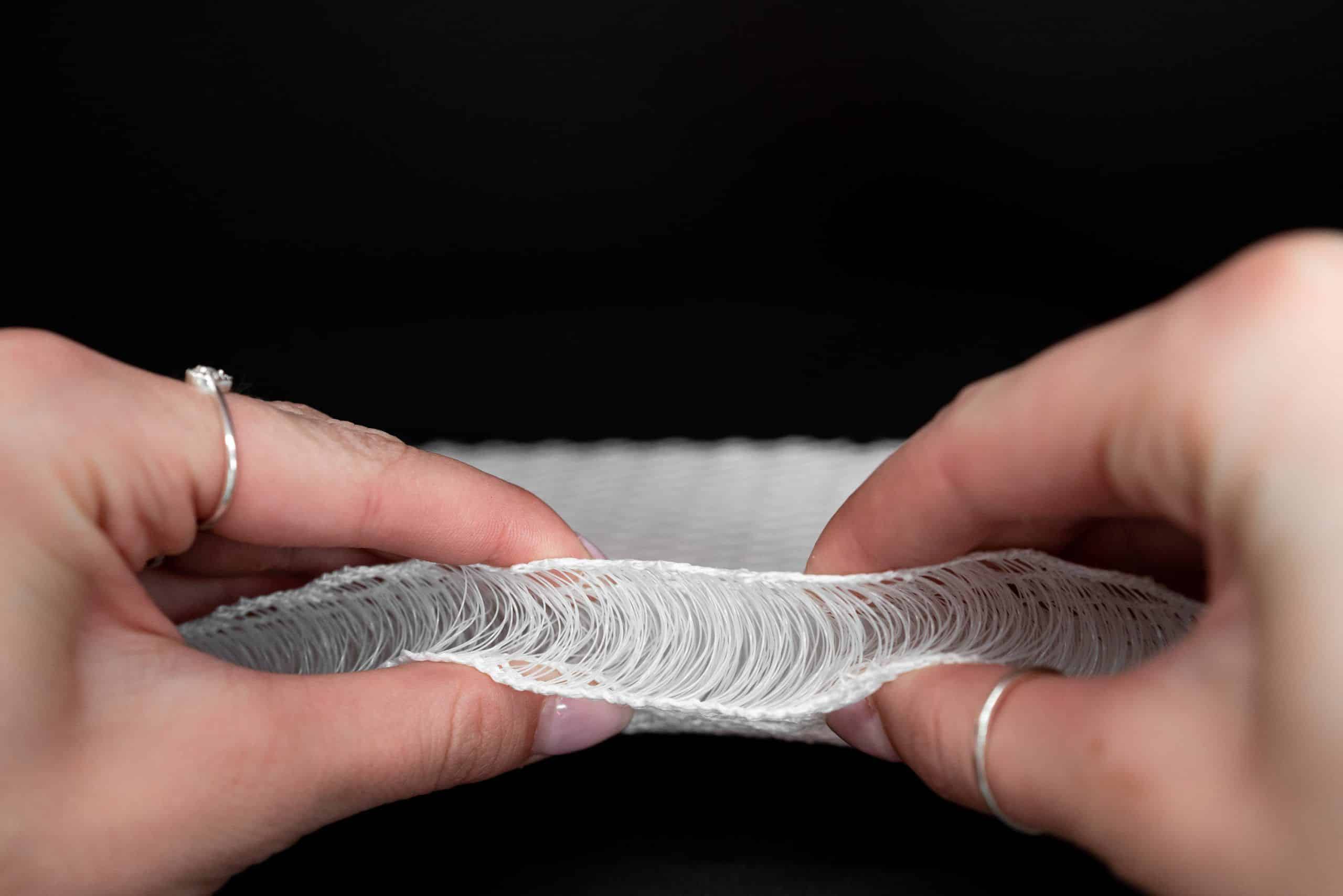
Although bed bug infestations generally have nothing to do with a lack of hygiene, good mattress hygiene can help you notice an infestation early. A breathable mattress that allows air to circulate efficiently is an advantage. Mattress underlays from Matnext, such as the Matnext Airflow 3D Mesh underlay, can help here. They create an air space between your mattress and your current base, allowing air to circulate efficiently between the two materials. In addition, bed linen should be washed regularly at a minimum of 60 degrees Celsius and changed every fortnight. Mattress covers should also be hot-washed at regular intervals.