Proper ventilation and heating
Proper ventilation and heating: tips to avoid mold growth
Proper ventilation and heating not only reduces your energy costs and protects the environment, but also prevents the spread of mold spores at the same time. Especially in winter, high humidity in the room can quickly lead to condensation on furniture and textiles and mold stains becoming visible. But how do you ventilate properly to prevent mold growth?

Mold due to improper ventilation: what are the dangers?
Especially for people with a weak immune system, mold can cause health problems. Itchy eyes, sneezing, allergies, coughing, respiratory problems and skin diseases are just some of them. In addition to posing a significant health risk, mold also causes material damage, decomposing wallpaper, wood and other materials. This makes it all the more important to counteract the spread of mold at an early stage. Since the main cause of mold infestation is often excessive humidity in the room, particular importance should be attached to proper ventilation and heating. You can find out exactly what you need to observe here.
How to ventilate properly?
1. Regular intensive airing and cross ventilation
Instead of leaving the windows open all the time, you should ventilate three to four times a day. To do this, it is best to also open opposite windows to allow a draught. To prevent the walls from cooling down too much, a period of five to ten minutes with the windows wide open is sufficient in winter. On warmer days, you can leave the windows open a little longer.
2. Fresh air in the morning and evening
Since you release a lot of moisture into the room air when you sleep, it is best to air the room thoroughly first thing in the morning after getting up. The same applies to the evening before going to bed. Then the outside air is cooler and particularly suitable for an air exchange in the bedroom.
3. Proper ventilation in winter and summer
Mold develops when there is moisture. In general, cold air can absorb less moisture than warm air. In winter, the warm room air condenses on the cold panes and becomes visible in small droplets. These form the perfect breeding ground for mold. For this reason, you should ventilate regularly, especially in winter, to exchange the humid indoor air for the dry outdoor air. In summer, the air is particularly humid and often warmer than the air in your home. To prevent it from heating up your rooms even more, you should postpone airing to the morning or evening hours on particularly warm days.
4. Airing immediately after showering and cooking
The humidity in the room is also particularly high after bathing, showering, cooking or hanging laundry. To prevent the water vapor from settling on your furniture, you should then ensure an immediate exchange of air. When cooking, also be sure to turn on the extractor hood and cover the pots to release as little water vapor as possible into the room air.
5. Turn off the heating when airing
Avoid wasting energy and turn off the heating completely when airing in winter! In order to warm up the cold outside air that has come in, it is advisable to turn the heating back up afterwards. Since the ventilation time in winter is very short anyway, you will maintain your desired room temperature and do not have to worry about the rooms cooling down too much.
6. Heat even during the winter vacation
Even though it saves heating costs, you should never turn off the heating completely when the temperature is below freezing. There is a risk that the rooms will cool down too much and the humidity will condense on the walls. In addition, water pipes could freeze and cause the pipes to burst in the worst case. Therefore, make sure that the room temperature never drops below 16 degrees, even during your vacation or working hours.
Mold despite ventilation and heating? Other causes
You think you are heating and ventilating properly and yet you have discovered mold stains on your walls, furniture or textiles? Here you will learn about possible causes that may have promoted the formation of mold spores despite regular air exchange.
Missing mattress underlay
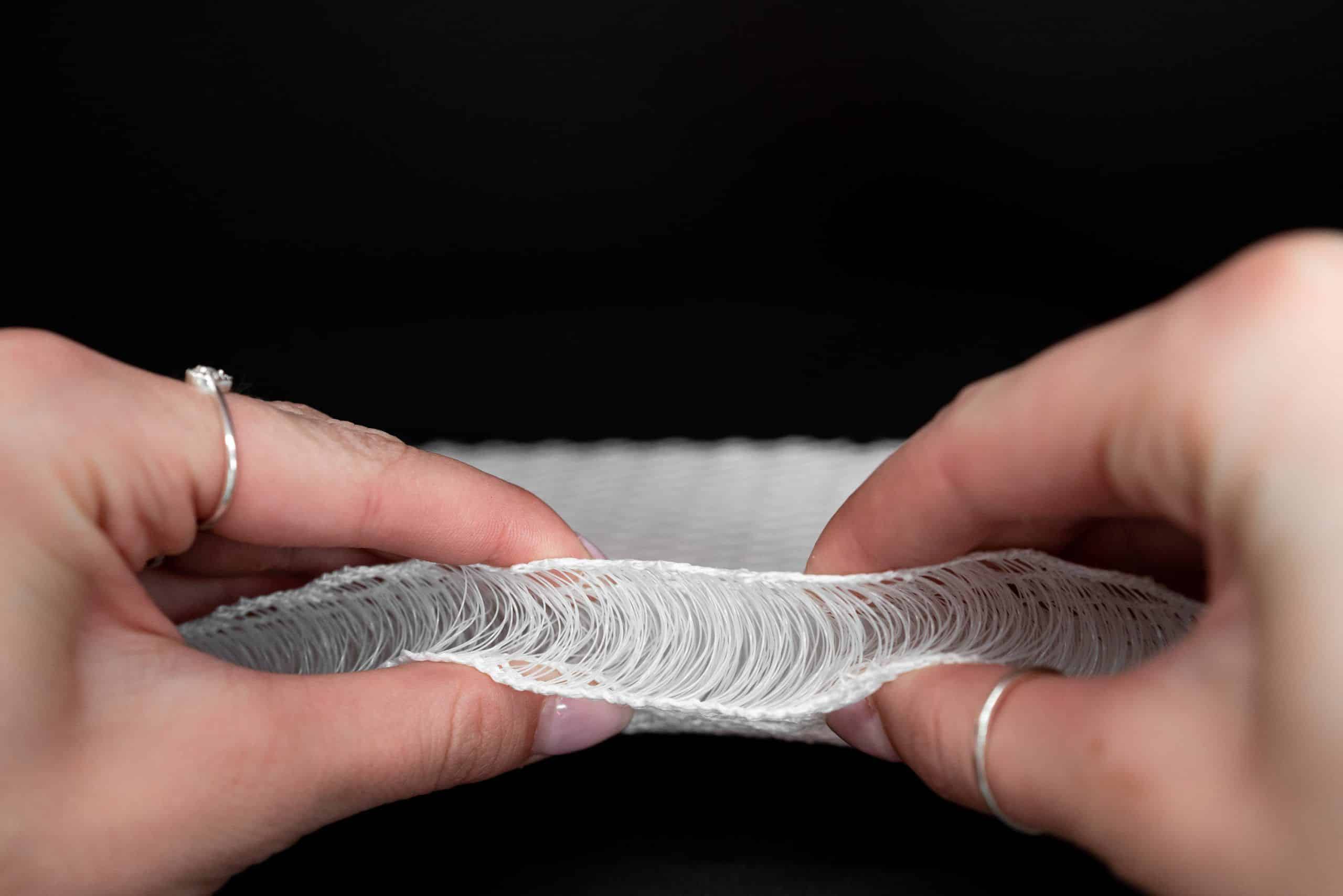
If you discover mold on your mattress, it indicates poor mattress ventilation. When you sleep, you lose up to a liter of body fluid that collects in the mattress overnight. Thanks to an open bed frame or slatted frame, the moisture can usually escape from the underside of the mattress. However, if you place your mattress directly on the floor, you block the air supply and moisture builds up. Mold and mildew stains are the result. If, however, you would prefer to do without a bed frame for financial or aesthetic reasons, it is recommended that you use a breathable mattress underlay. This creates an air space between the floor and your mattress so that the air can continue to circulate there.
Moisture in the masonry
The building fabric of your apartment or house can also be to blame for the spread of mold. Leaky pipes or cracks in the facade can allow moisture to enter the masonry and penetrate right into your living space. In that case, mold growth can occur despite ventilation. You should also pay particular attention to proper ventilation and heating in new buildings. Due to residual moisture from construction, these are particularly susceptible to mold in the first few years.
New windows in old houses
Mold is just as common in old apartments where the old windows have been replaced with new ones. This is because modern windows are particularly airtight for energy-efficiency reasons and often even have double or triple glazing. The water vapor then no longer condenses on the panes of the windows, but on the now colder uninsulated walls of your apartment. There, mold spores then also find their breeding ground for growth. So even in this case, despite proper heating and ventilation, mold stains can form on the walls.
In our guide to removing mold from the mattress, you can also learn how to effectively combat mildew stains and which home remedies can help you. If you are often on the road in a camper, you will certainly also be interested in our tips on dampness in motorhomes. Since motorhomes and caravans are particularly prone to mold due to their many nooks and crannies, a lot of importance should also be attached to proper ventilation and heating here.