Winter camping in a camper van
Winter camping in a motorhome: the right equipment for cold days
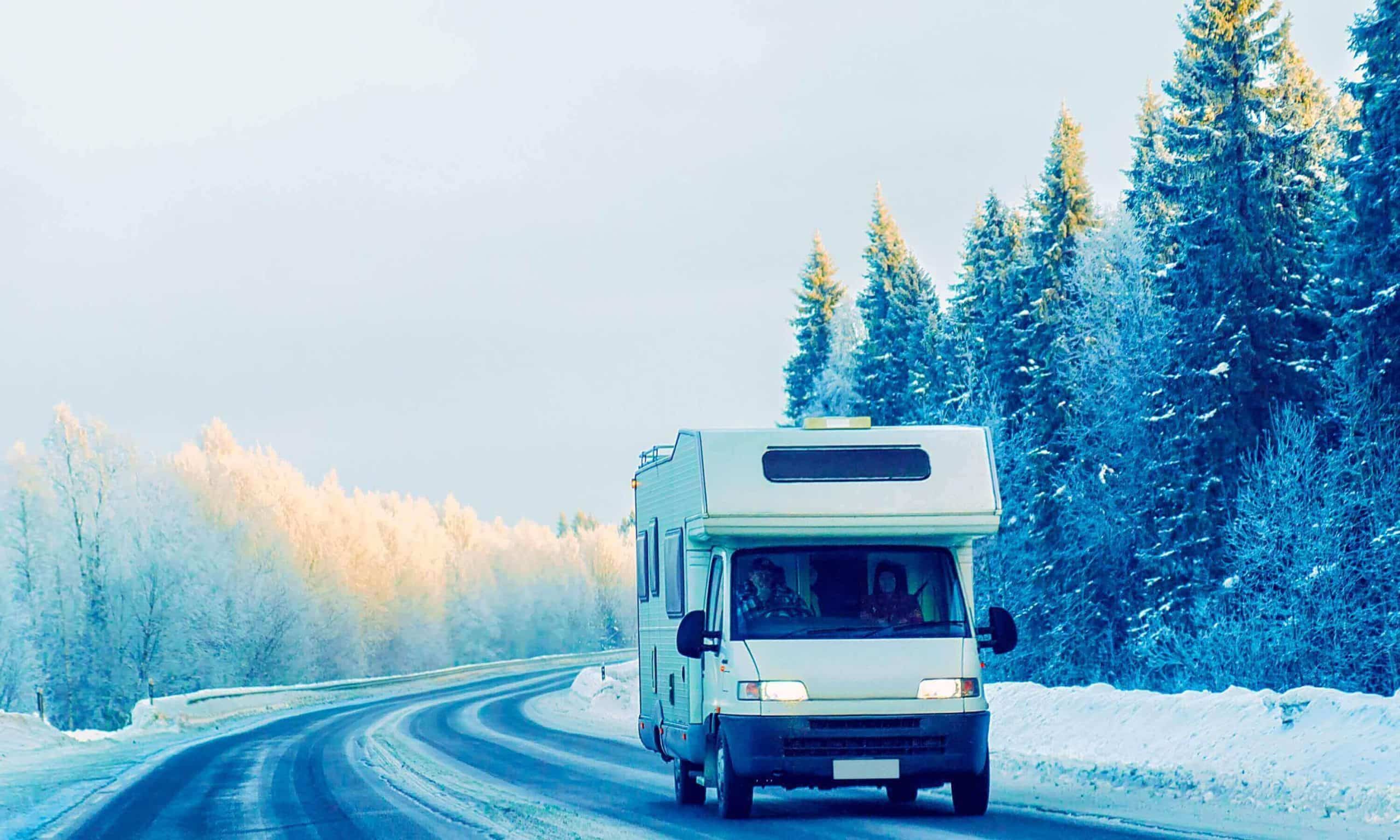
Winter camping in a motorhome is a particularly popular holiday option among skiers and snowboarders. In a campervan, you are flexible and can visit various ski resorts. What's more, accommodation providers in popular snow regions raise their prices considerably during the cold season. You can certainly enjoy the same level of comfort in a well-equipped motorhome on a pitch at a favourable price. However, there are a few things to bear in mind when winter camping in a caravan or motorhome. Prepare your vehicle thoroughly for the trip through the snow and cold before you set off. We'll tell you what equipment you should definitely not do without when winter camping in a motorhome.
Winterised vs. winter-proof motorhome
Before you start thinking about the right equipment, you should first check whether your camper is suitable for winter or even winter-proof. These designations are actually defined by a European standard. Requirements such as sufficient insulation, a good heating system, frost-proof water systems or even a heated double floor must be met. Whether your motorhome is "only" suitable for winter or even winter-proof depends on how long it takes your campervan to return to a comfortable room temperature after it has cooled down completely. Of course, frost must not form in the tanks and pipes at any time.
Winter camping in a motorhome: checklist
You can also use our checklist to check whether your vehicle and its equipment are really suitable for the cold season. Here you can find out which motorhome accessories you should pay particular attention to when winter camping.
1. Winter tyres & snow chains
Winter tyres and snow chains are an absolute must in the cold season. Experts recommend a tyre tread depth of at least 4 mm. You will probably even need snow chains for some routes. It is best to practise fitting the chains before setting off. This will prevent you from coming to a standstill on a slippery mountain pass and not knowing what to do next.
2. Dehumidifier
Anyone who has often travelled with a motorhome in winter will be familiar with the problem faced by many campers. Moisture quickly collects in the motorhome or caravan from breathing, damp clothing, showering or cooking, which then settles on windows and furniture and can lead to mould growth. To avoid this, it helps to set up dehumidifiers. These can be purchased in specialised shops in electric or non-electric versions. You can find out more tips on how to avoid moisture in your motorhome in our guide Moisture in the motorhome, what to do?
3. Mesh mattress underlay
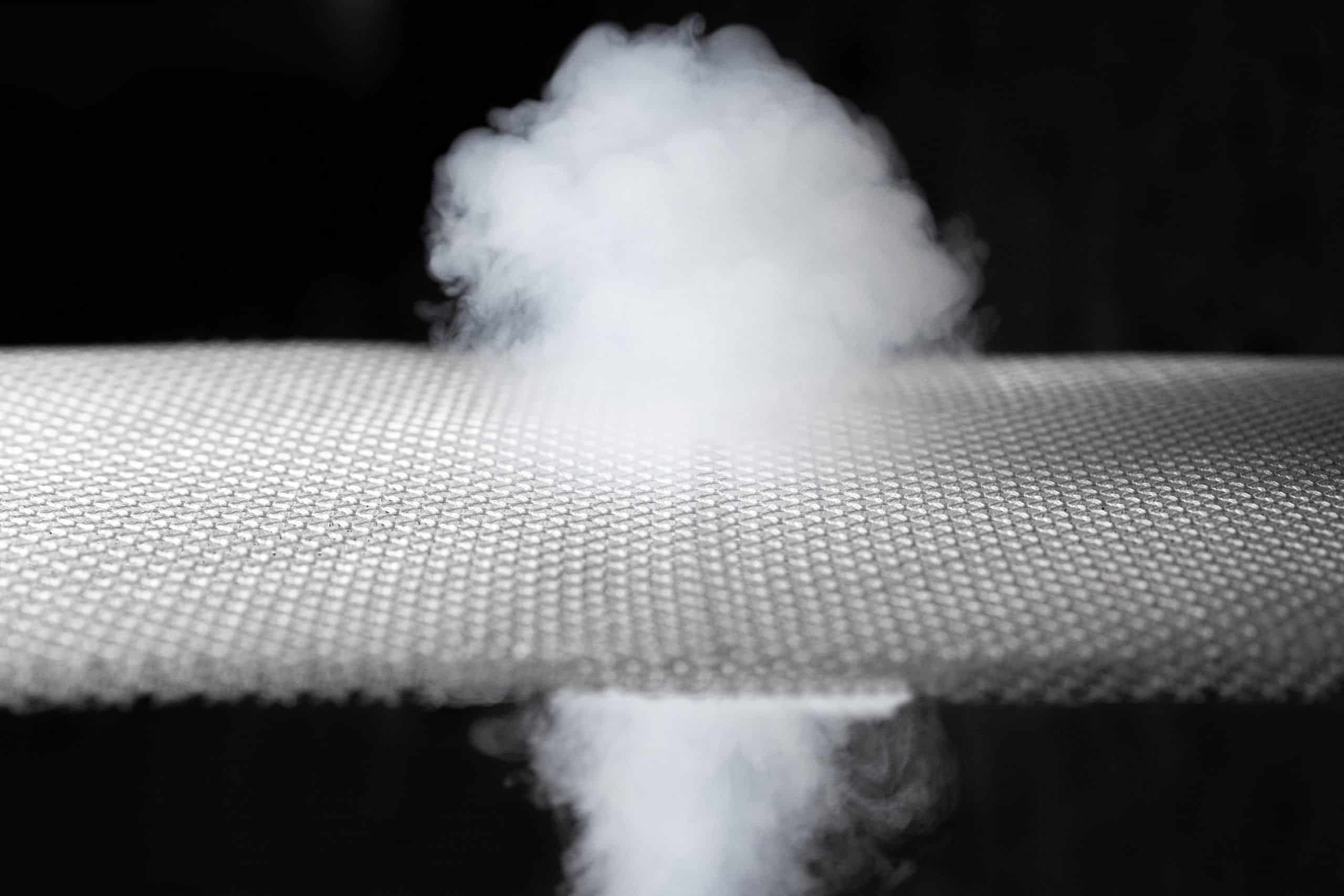
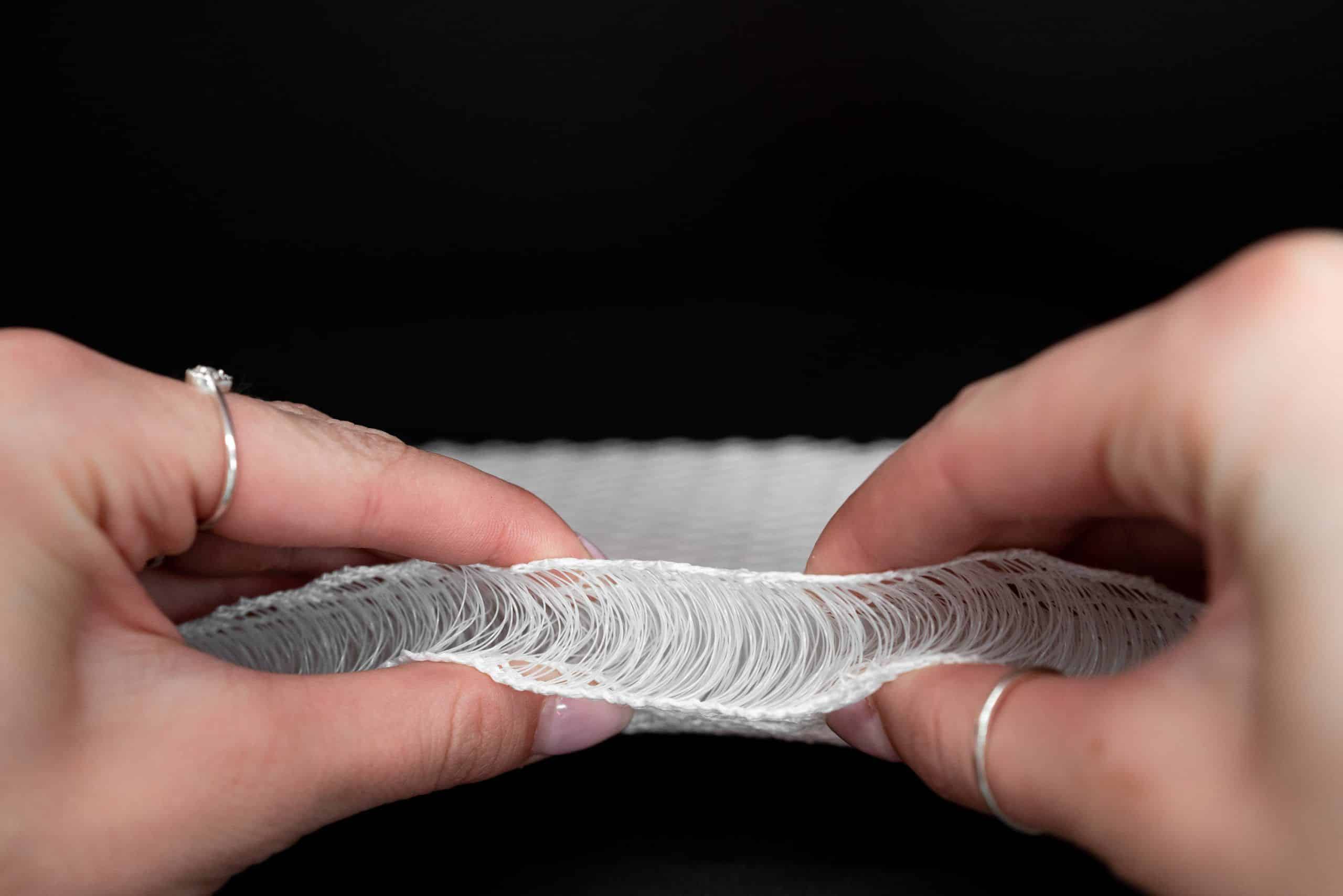
An insider tip among campers: a mesh mattress underlay. The 3D spacer fabric creates an air space under the mattress so that moisture can escape from the underside. Especially in motorhomes or caravans that are converted so that the mattress is placed directly on the table top, it makes sense to use the mesh fabric as an underlay. It also provides better padding for your sleeping surface.
4. Awning
As a winter sports enthusiast, you are probably familiar with this situation: you come back from an eventful day on the piste and can hardly wait to finally throw off your wet clothes. However, space in the motorhome is limited. In addition, the humidity in the interior can quickly become too high due to condensation. This is why an awning is a good idea. Simply hang your damp clothes in the dry in front of your camper. The low humidity will allow them to dry much better there anyway.
5. Motorhome heater
When winter camping in a motorhome, particular importance should also be attached to a high-quality heating system. It is not only important for your own well-being, but also for the materials of your campervan that the interior has a constantly warm room temperature. Winter-proof motorhomes also have a heated waste water and fresh water tank, which prevents pipes from freezing up in extremely cold weather.
6. Frost protection for waste water & fresh water tank
If your camper is not equipped with a heated waste water and fresh water tank, you should at least have antifreeze with you when winter camping in a motorhome. This will protect your pipes from the cold and prevent damage such as burst pipes. Inlet and outlet pipes and valves can also be protected with special heating cables.
7. Covers for refrigerator air vents
At very low temperatures, it also makes sense to cover the refrigerator ventilation grille on the outside wall of your camper. If very cold air enters from outside via the refrigerator ventilation, this can affect the cooling sensor and, in the worst case, even cause the freezer compartment to defrost.
Further tips for winter camping in a motorhome
Have you ticked off all the points on the checklist? Then you can set off for the snowy regions in your motorhome without any worries. Now nothing stands in the way of your winter camping adventure. If you also enjoy travelling with your motorhome at other times of the year, why not take a look at our practical motorhome accessories or roof tent checklist guides. Here we reveal useful gadgets that will make your motorhome holiday easier.