Moisture in the camper
Moisture in the camper: What to do?
Moisture in the motorhome or caravan is a vexed issue among campers. Especially on rainy or colder days, it is almost impossible to avoid condensation collecting on windows or upholstery. In the long term, this can lead to mold. Since mould infestation is not only harmful to health, but also attacks the materials of your camper, you should quickly take measures to prevent mold infestation in the camper or caravan.
Why moisture accumulates in the motorhome?
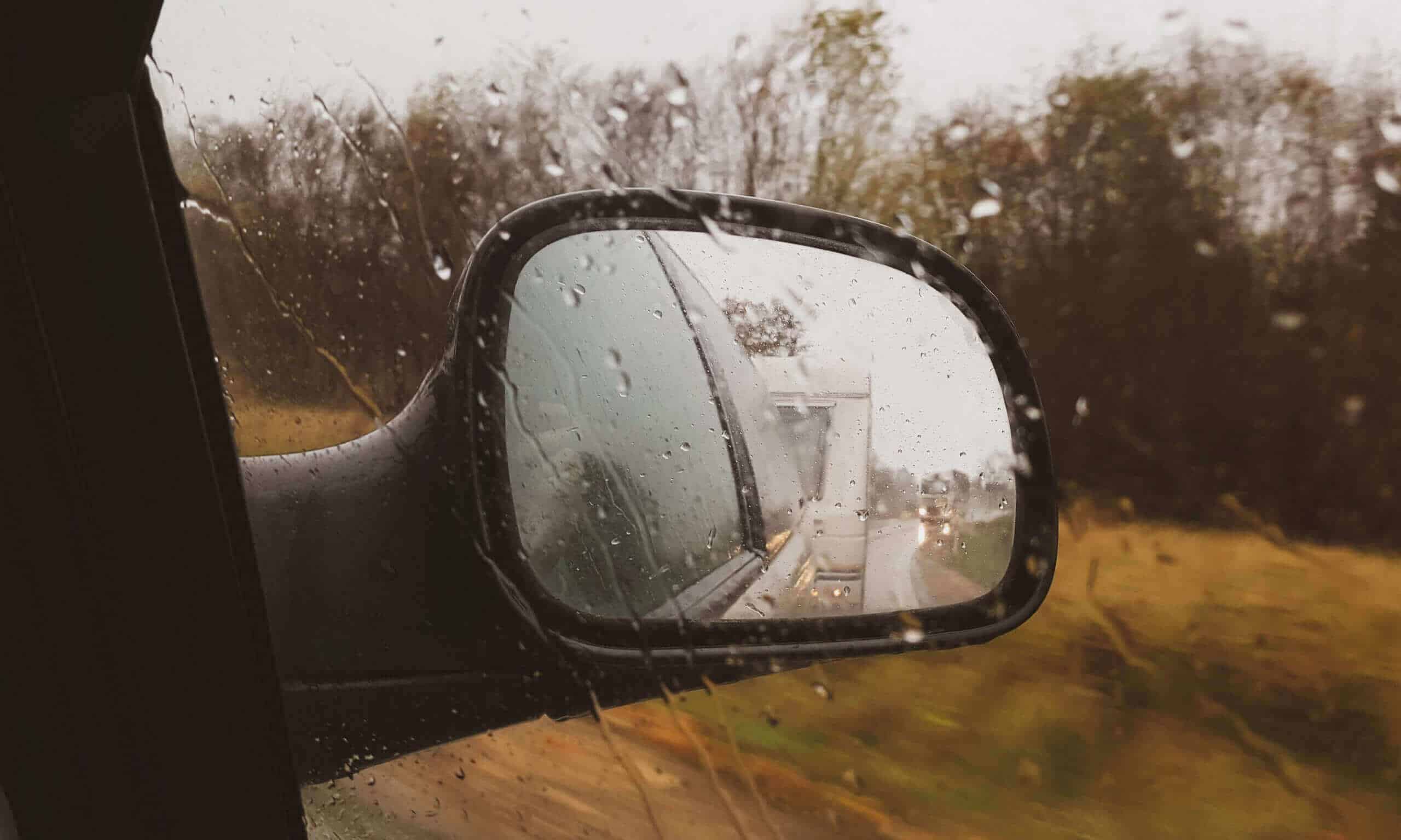
Condensation occurs when the humidity in the room is too high. Although all motorhomes and caravans are equipped with ventilation systems designed to ensure air circulation, these are often not sufficient to reach every nook and cranny in the camper. Moisture therefore quickly accumulates, especially between the windows or in closed cupboards. Without appropriate measures, waterlogging can lead to mold growth, which often means an enormous loss of value for the camper. But what can you do about it?
Tips to dehumidify your caravan when traveling
Winter camping is becoming increasingly popular. But especially on colder days, the low outside temperatures and wet clothes lead to high humidity in the caravan or motor home. Waterlogging and mildew stains on walls and textiles can be the result. Here you will find practical tips on how to spend a carefree camping vacation even in winter.
Ventilation and heating lowers the humidity in the camper
Ventilation is the be-all and end-all! Without a regular exchange of air, the moisture cannot escape from your camper. Especially after showering or cooking, you should ensure that the high humidity does not settle on upholstery and furniture. It is best to open several windows and doors at the same time for 10 to 15 minutes to allow sufficient air circulation. Since warm air can absorb more moisture than cold air, it is also advisable to heat again immediately after shock ventilation.
Regularly wipe moisture from the windows
If you discover moisture on the windows of your caravan, this is condensation. This collects on the panes when the warm and humid interior air in the caravan meets the cold surface of the windows. You should remove the damp spots immediately. A simple microfiber cloth, for example, is suitable for this purpose. It is best to wipe the windows first thing in the morning to prevent wet damage. However, you should never dry the damp cloths in the caravan or motor home afterwards.
Mattress underlays provide air circulation on solid floor
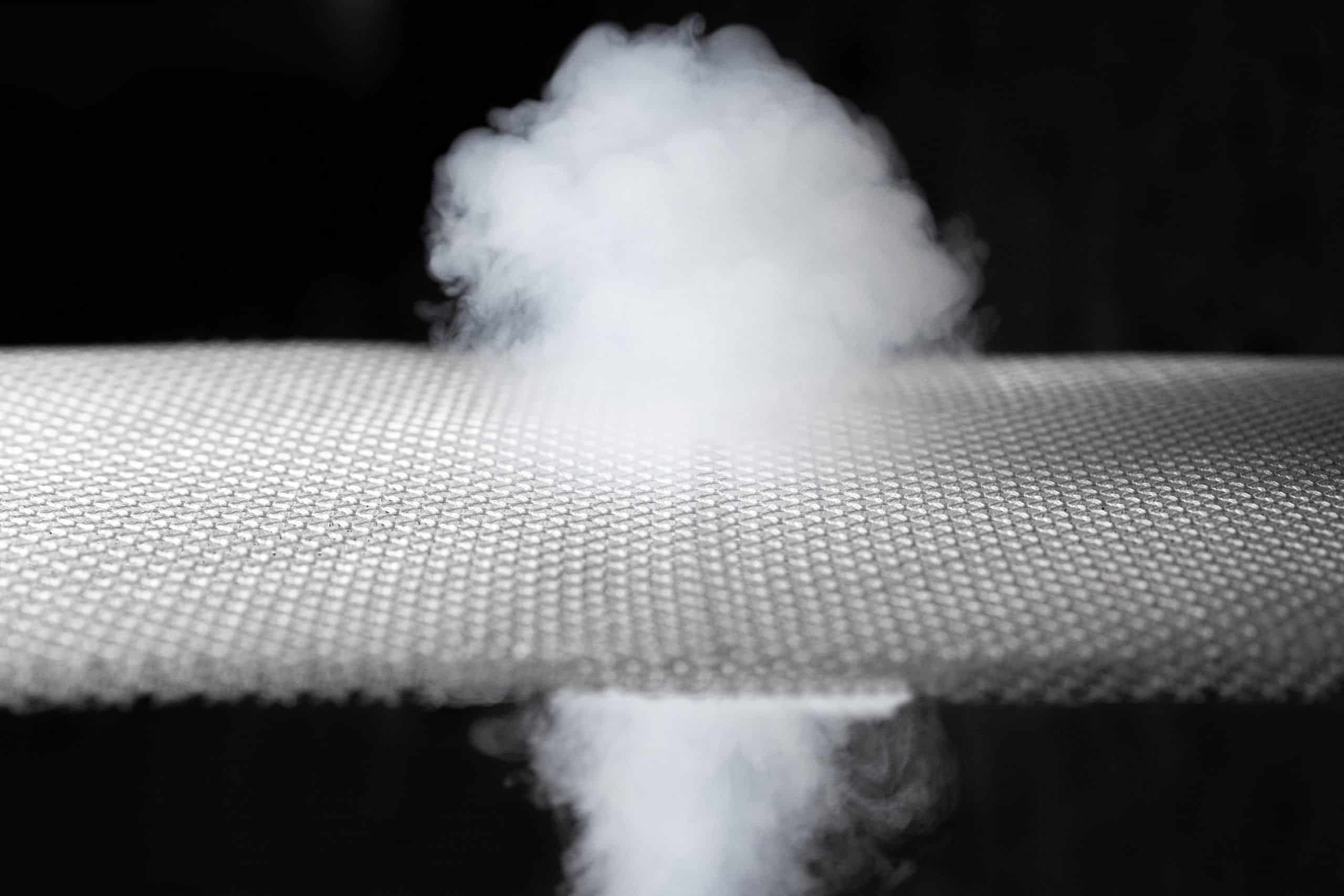
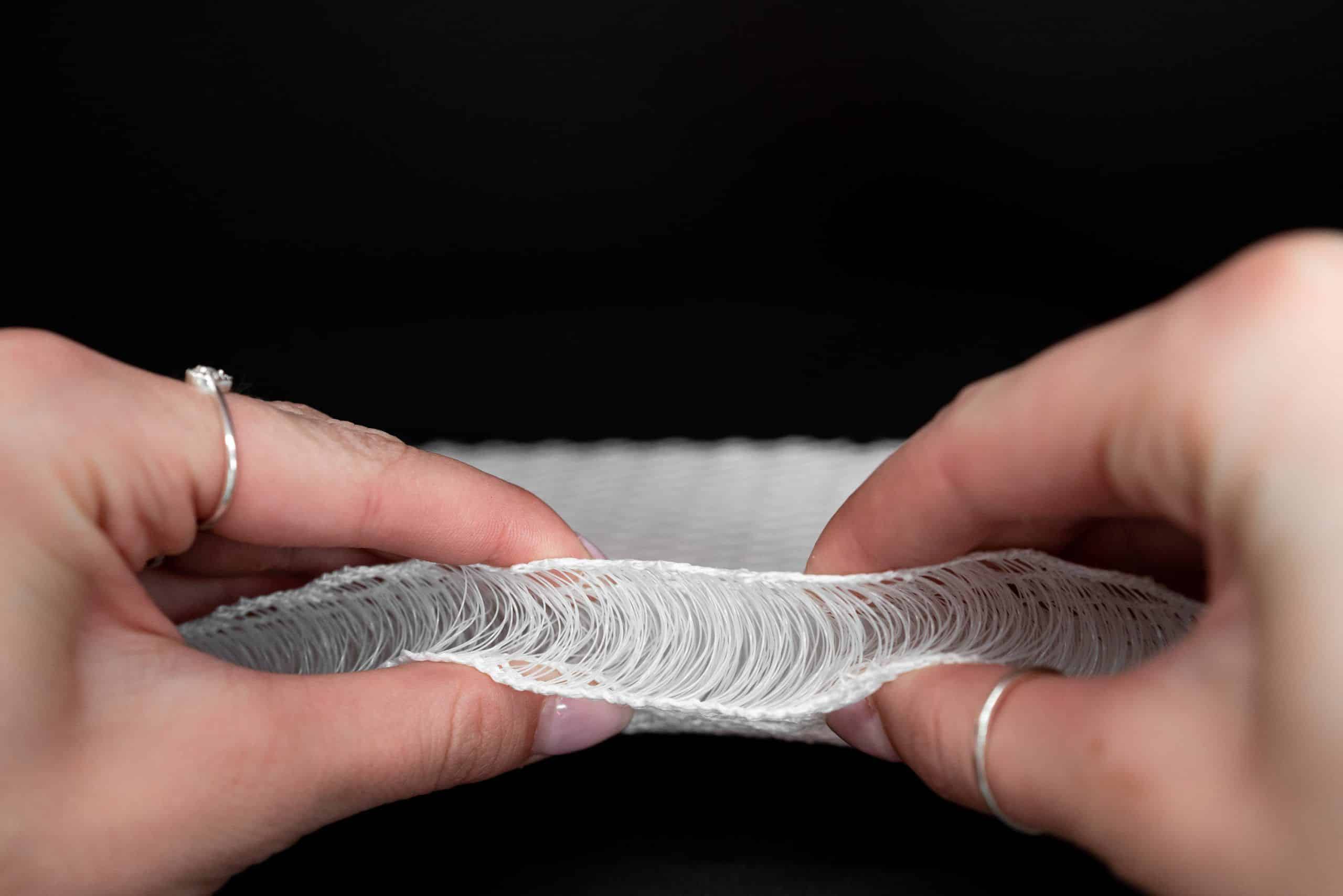
Motorhomes and caravans are usually designed so that the mattress is placed directly on the tabletop or floor in the roof tent when converting it to night quarters. However, the solid base means that the moisture that collects in the mattress overnight cannot escape. Breathable pads, such as the Matnext Airflow 3D Mesh mattress underlay, help against this. In the camper it fulfills the purpose of a slatted frame or bed frame. It creates an air space between the mattress and the solid base so that the air can circulate there.
Wet shoes should stay outside
When you return to your camper from a rainy day or a ski trip, you usually just want to get rid of the damp clothes quickly. Before you make yourself comfortable in the camper, however, you should first hang the wet laundry outside to dry. Also prefer to store floor mats and shoes outside the camper to avoid additional moisture in the interior. Tip: If it's raining and you have no place to dry, you can lay your laundry on a folded camping table, for example, and simply slide it under your camper or caravan.
Special measures in the winter quarters
Not only when travelling, but above all during the winter break, you should protect your camper from waterlogging. Ideally, choose a dry pitch if you do not plan to use your caravan or motorhome for a longer period. If you do not have a garage or carport, a tarpaulin is enough to protect your camper from the weather.
Clear out your caravan in winter
It is best to remove all upholstery, carpets and mattresses from the interior of your camper. Textiles absorb moisture and tend to form mildew stains quickly. Also, empty the cupboards and leave them open to prevent moisture from accumulating inside. The same goes for the bathroom door. You should also be careful not to block or obstruct any vents. Fly screens or shutters are often placed awkwardly over them.
Dehumidifiers protect against waterlogging
If regular ventilation and heating in the winter quarters is not possible, the use of special dehumidifiers is also an option. A proven means is to dehumidify the caravan with salt. In contrast to electric dehumidifiers, salt-based dehumidifiers have the advantage that you do not need an electrical connection. This not only saves you a lot of expense, but also the regular checks that electric dehumidifiers require due to high fire hazards. Many campers also use cat litter against moisture in the caravan. However, since its absorption capacity is limited, this must be replaced regularly.